UV Adhesive for Glass Doors: A Clear Choice for Strong, Durable Bonds

Introduction Glass doors, with their sleek and modern aesthetic, have become a popular choice for both residential and commercial spaces. To ensure the longevity and safety of these doors, a strong and durable bonding solution is essential. UV adhesives offer a superior solution, providing rapid curing times, exceptional bond strength, and unparalleled resistance to environmental factors. Key Benefits of UV Adhesives for Glass Doors: Rapid Curing: UV adhesives significantly reduce curing times, accelerating the production process and minimizing downtime. High Bond Strength: UV-cured bonds exhibit exceptional strength and durability, ensuring the structural integrity of glass doors. Environmental Resistance: UV-cured bonds are highly resistant to moisture, temperature fluctuations, and UV radiation, making them suitable for various indoor and outdoor applications. Optical Clarity: Many UV adhesives are optically clear, preserving the aesthetic appeal of glass doors. Versatility: UV adhesives can be used to bond glass to a variety of materials, including metal, wood, and other types of glass. Applications of UV Adhesives for Glass Doors: Glass-to-Glass Bonding: Creating seamless, visually appealing glass-to-glass joints. Glass-to-Metal Bonding: Securing glass panels to metal frames for enhanced structural stability. Glass-to-Wood Bonding: Bonding glass to wooden frames for a contemporary look. How to Use UV Adhesives for Glass Doors: Prepare the Surfaces: Thoroughly clean and dry the glass surfaces to remove any dirt, grease, or contaminants. Apply the Adhesive: Dispense a thin, even layer of UV adhesive to one or both surfaces. Align the Components: Carefully align the glass components to be bonded. Cure with UV Light: Expose the bonded assembly to UV light for the recommended time. Choosing the Right UV Adhesive: When selecting a UV adhesive for glass doors, consider the following factors: Viscosity: Choose a viscosity that matches the application's requirements. Cure Speed: Select a curing speed that suits your production needs. Bond Strength: Ensure the adhesive provides sufficient bond strength for the intended application. Environmental Resistance: Consider the operating conditions, such as temperature and humidity. Optical Clarity: If optical clarity is important, choose a clear UV adhesive. Conclusion UV adhesives offer a reliable and efficient solution for bonding glass doors, providing strong, durable, and aesthetically pleasing results. By understanding their benefits and applications, you can leverage this technology to enhance the design and performance of your glass door projects. Visit www.incurelab.com today to discover our range of UV adhesives specifically formulated for glass door applications. Find the perfect adhesive for seamless glass-to-glass bonding, strong glass-to-metal connections, or beautiful glass-to-wood integrations. Streamline your installation process and achieve lasting results with Incure!

Comments Off on UV Adhesive for Glass Doors: A Clear Choice for Strong, Durable Bonds

Best UV Curing Glue for Plastic: A Comprehensive Guide

Achieve superior plastic bonding with UV curing glue. Explore the advantages of this technology and discover how Incure's wide range of products and expert support can enhance your manufacturing process.Introduction UV curing glue, a revolutionary adhesive technology, has transformed the way we bond plastic components. By harnessing the power of ultraviolet (UV) light, these adhesives offer rapid curing times, exceptional bond strength, and unparalleled durability. In this comprehensive guide, we'll delve into the factors to consider when selecting the best UV curing glue for your specific plastic bonding needs. Key Factors to Consider: Substrate Compatibility: Plastic Type: Ensure the adhesive is compatible with the specific type of plastic you're working with, such as ABS, polycarbonate, acrylic, or others. Surface Preparation: Proper surface cleaning and preparation are crucial for optimal adhesion. Curing Speed: Rapid Curing: For high-speed production, opt for UV adhesives with fast curing times. Controlled Curing: For delicate applications, consider adhesives with slower curing speeds to allow for precise alignment. Bond Strength: Shear Strength: Evaluate the adhesive's ability to resist shear forces, which are common in many plastic applications. Tensile Strength: Assess the adhesive's resistance to tensile forces, particularly important for applications involving pulling or stretching. Environmental Resistance: Temperature Resistance: Consider the temperature range the bonded components will be exposed to. Chemical Resistance: Evaluate the adhesive's resistance to chemicals, solvents, and other substances. UV Resistance: For outdoor applications, select an adhesive that maintains its properties under prolonged UV exposure. Viscosity: Low Viscosity: Ideal for gap-filling applications and intricate details. High Viscosity: Suitable for bonding large, heavy-duty components. Cure Depth: Shallow Cure Depth: For surface bonding or thin layers. Deep Cure Depth: For thicker bonds or gap-filling applications. At Incure, we understand the importance of choosing the right UV curing glue for your specific needs. Our team of experts can help you select the best product for your application and provide technical support to ensure optimal results. Key benefits of partnering with Incure: Wide Range of Products: We offer a comprehensive range of UV curing glues, including low-viscosity, high-strength, and flexible options. Expert Technical Support: Our team is available to answer your questions and provide guidance on product selection and application techniques. Custom Solutions: We can develop custom UV curing solutions to meet your specific requirements. High-Quality Products: Our products are manufactured to the highest standards and are backed by our commitment to quality. Conclusion By carefully considering the factors outlined above and partnering with a reliable supplier like Incure, you can select the best UV curing glue for your specific plastic bonding needs. Remember to consult the manufacturer's instructions and conduct thorough testing to ensure optimal performance. With the right adhesive and proper application techniques, you can achieve strong, durable, and long-lasting bonds. Contact Us or Explore the full range of Incure UV curing glues at www.incurelab.com  and unleash the full potential of your plastic projects!

Comments Off on Best UV Curing Glue for Plastic: A Comprehensive Guide

UV Curing Glue for Plastic: Fast and Durable Bonding Solutions

Introduction In the realm of industrial manufacturing and DIY projects, adhesives play a crucial role in securing components and ensuring product durability. Traditional adhesives often require extended curing times and can be susceptible to environmental factors. However, a revolutionary solution has emerged: UV curing glue for plastic. This innovative adhesive technology offers numerous advantages, including rapid curing times, exceptional bond strength, and resistance to various stresses. What is UV Curing Glue? UV curing glue, also known as photopolymer adhesive, is a specialized adhesive that cures upon exposure to ultraviolet (UV) light. This process, known as photopolymerization, triggers a chemical reaction that solidifies the adhesive, creating a strong and durable bond. Key Benefits of UV Curing Glue for Plastic Rapid Curing Times: UV curing glue significantly reduces curing times compared to traditional adhesives. This accelerated curing process can boost production efficiency and save time. Exceptional Bond Strength: UV cured bonds exhibit excellent strength and durability, making them suitable for a wide range of applications, from delicate electronics to heavy-duty industrial components. Resistance to Environmental Factors: UV cured bonds are resistant to moisture, temperature fluctuations, and chemical exposure, ensuring long-lasting performance. Precise Application: UV curing glue can be applied with precision, minimizing waste and ensuring accurate bonding. Versatility: This adhesive can be used on various plastic surfaces, including ABS, polycarbonate, acrylic, and more. Applications of UV Curing Glue Electronics: Bonding delicate electronic components, such as circuit boards and sensors. Automotive: Repairing and assembling automotive parts, including headlights, taillights, and interior components. Medical Devices: Securing components in medical devices, ensuring sterility and reliability. Optical Components: Assembling optical lenses and prisms. Jewelry: Creating intricate jewelry designs with precision and durability. DIY Projects: Repairing broken plastic items and crafting custom projects. How to Use UV Curing Glue Prepare the Surfaces: Clean and dry the surfaces to be bonded. Apply the Adhesive: Dispense a thin, even layer of UV curing glue onto one of the surfaces. Align the Surfaces: Carefully align the surfaces to be bonded. Cure with UV Light: Expose the bonded surfaces to UV light for the recommended time. Inspect the Bond: Verify the strength and durability of the bond. Conclusion UV curing glue for plastic offers a compelling solution for various bonding applications, providing rapid curing times, exceptional bond strength, and resistance to environmental factors. By understanding the benefits and applications of this innovative adhesive, you can leverage its power to enhance your projects and streamline your manufacturing processes. Achieve stunning, professional finishes for your projects every time. Visit www.incurelab.com to explore our comprehensive range of innovative products designed to optimize both application and curing.

Comments Off on UV Curing Glue for Plastic: Fast and Durable Bonding Solutions

Elevate Your Projects with High-Gloss Dome Gel: A Comprehensive Guide

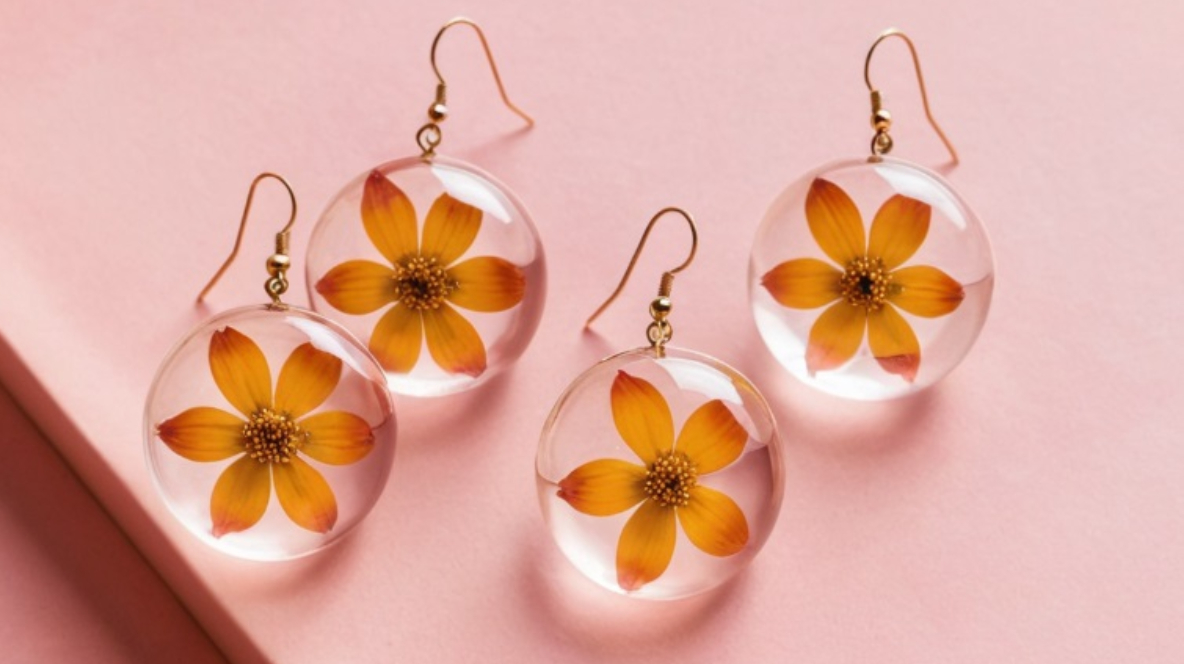
Introduction High-gloss dome gel has revolutionized various industries, from crafts and DIY to professional manufacturing. Its ability to add a captivating 3D effect to surfaces has made it a popular choice for enhancing the visual appeal of products. In this comprehensive guide, we will delve into the world of high-gloss dome gel, exploring its benefits, applications, and best practices. What is High-Gloss Dome Gel? High-gloss dome gel is a clear, resin-based product that, when cured, creates a smooth, glossy dome over a surface. It's often used to protect and enhance the appearance of items such as: Artwork and Photographs: Preserving and showcasing artwork and photos. Jewelry and Accessories: Adding a luxurious, finished look to jewelry pieces. Electronics: Protecting delicate components and enhancing their aesthetic appeal. Crafts and DIY Projects: Elevating handmade creations with a professional finish. The Benefits of Using High-Gloss Dome Gel Protection: Shields surfaces from scratches, dust, and UV damage. Enhancement: Adds depth, dimension, and a high-gloss finish. Durability: Creates a long-lasting, durable coating. Versatility: Suitable for a wide range of materials and applications. How to Use High-Gloss Dome Gel Effectively Preparation: Ensure the surface is clean, dry, and free of any debris. Application: Apply the dome gel using a suitable applicator, such as a syringe or dispenser. Curing: Allow the gel to cure completely, following the manufacturer's instructions. This may involve using a UV light or heat source. Your Partner in High-Gloss Dome Gel Projects For manufacturers and professionals seeking reliable and efficient solutions for their high-gloss dome gel projects, Incure offers a range of cutting-edge curing equipment. Our advanced technology ensures optimal curing results, maximizing the benefits of this versatile product. Unsure which high-gloss dome gel and curing solution is the perfect fit for your project? Incure offers a comprehensive range of innovative products specifically designed to optimize the application and curing of high-gloss dome gel. Explore the full spectrum of solutions at www.incurelab.com and achieve stunning, professional results every time.

Comments Off on Elevate Your Projects with High-Gloss Dome Gel: A Comprehensive Guide

Best Resin for Doming: A Comprehensive Guide

Introduction Doming is a popular technique used to add a 3D effect to various surfaces, from logos and graphics to jewelry and electronics. The key to achieving a flawless dome is selecting the right resin. In this guide, we'll delve into the factors to consider and recommend the best resin for your doming projects. Understanding Resin for Doming Resin is a liquid polymer that hardens into a solid, clear material. It's ideal for doming as it offers excellent clarity, durability, and UV resistance. However, not all resins are created equal. Key factors to consider when choosing a resin include: Clarity: A clear resin ensures the design underneath shines through without distortion. Durability: A strong and durable resin can withstand wear and tear, especially for products that are handled frequently. UV Resistance: UV resistance prevents yellowing and degradation over time, especially for outdoor applications. Cure Time: A faster cure time allows for quicker production and less waiting time. Viscosity: The viscosity of the resin determines how easily it flows and fills the mold. Best Resin Recommendations Polyurethane Resin: Pros: Excellent clarity, fast curing time, and good UV resistance. Cons: Can be more sensitive to humidity and temperature changes. Best for: Small-scale projects, jewelry, and delicate items.   Epoxy Resin: Pros: High durability, excellent clarity, and good UV resistance. Cons: Longer curing time compared to polyurethane resin. Best for: Large-scale projects, outdoor applications, and items that require high durability. UV-Curable Resin: Pros: Extremely fast curing time, excellent clarity, and good UV resistance. Cons: Requires a specialized UV light source for curing. Best for: Mass production, rapid prototyping, and applications where speed is crucial. Tips for Successful Doming Prepare the Surface: Ensure the surface is clean, dry, and free of any contaminants. Mix the Resin Properly: Follow the manufacturer's instructions for mixing ratios and curing times. Apply the Resin Evenly: Use a syringe or a dispenser to apply the resin evenly. Cure the Resin: Allow the resin to cure completely before handling the domed item. Post-Curing: Consider post-curing the resin under UV light or in a warm environment to enhance its properties. Conclusion By carefully considering the factors discussed and selecting the right resin, you can achieve stunning doming results. Whether you're a hobbyist or a professional, the best resin for your project will depend on your specific needs and preferences. Experiment with different resins and techniques to find the perfect combination for your doming endeavors. Unsure Which Resin Epoxy Adhesive or Curing Solution is Best for Your Project? Contact Us or Explore the full range of Incure solutions at www.incurelab.com

Comments Off on Best Resin for Doming: A Comprehensive Guide

Dome Coating Resin vs. Doming vs. Casting Resin: A Comprehensive Guide

Understanding the Basics When it comes to enhancing the visual appeal and durability of products, three primary techniques are often employed: dome coating, doming, and casting. Each method involves the use of resin, a liquid polymer that hardens into a solid, transparent material. While they share similarities, these techniques have distinct characteristics and applications. Dome Coating Resin Dome coating is a process where a thin layer of resin is applied to the surface of a product, typically a two-dimensional object like a label or decal. This layer creates a smooth, glossy finish that protects the underlying design and adds depth and dimension. Key Features: Thin layer: A relatively thin layer of resin is applied. Surface protection: Protects the underlying design from scratches, UV damage, and other environmental factors. Enhanced aesthetics: Provides a glossy, high-quality finish. Cost-effective: A more economical option compared to doming and casting. Doming Doming involves applying a thicker layer of resin to a two-dimensional object, creating a three-dimensional, dome-shaped effect. This technique is ideal for adding depth and texture to logos, labels, and other flat surfaces. Key Features: Thicker layer: A thicker layer of resin is applied to create a dome-shaped effect. 3D effect: Adds depth and dimension to the design. Enhanced tactile experience: Creates a raised, tactile surface. Durability: Provides excellent protection against wear and tear. Casting Resin Casting resin is used to create three-dimensional objects from a mold. The resin is poured into a mold and allowed to cure, resulting in a solid, cast product. This technique is versatile and can be used to create a wide range of products, from jewelry to figurines. Key Features: 3D objects: Creates solid, three-dimensional objects. Versatility: Can be used to create a wide range of products. Customization: Allows for intricate designs and personalized products. Durability: Provides strong, durable products. Choosing the Right Technique The best technique for your project will depend on several factors, including: Desired effect: Are you looking for a simple, protective coating or a more complex, three-dimensional effect? Budget: Consider the cost of materials and labor for each technique. Product type: The shape and size of your product will influence the best technique. Production volume: High-volume production may favor automated techniques like casting. By understanding the key differences between dome coating, doming, and casting, you can make informed decisions to achieve the desired results for your project. Unsure Which Resin Epoxy Adhesive or Curing Solution is Best for Your Project? Contact Us or Explore the full range of Incure solutions at www.incurelab.com

Comments Off on Dome Coating Resin vs. Doming vs. Casting Resin: A Comprehensive Guide

High Tg Epoxy Adhesive: A Practical Guide

The glass transition temperature, Tg, is where an epoxy shifts from a hard, glassy solid to a soft, rubbery one. Above it, stiffness and shear strength drop sharply. A high Tg epoxy adhesive keeps that transition well above the service temperature, which is why it holds a bond that a standard epoxy would lose. What Tg Actually Means for a Bond Below Tg, an epoxy carries load with its full room-temperature strength. As it approaches Tg, modulus falls, creep increases, and a bond under sustained load begins to move. Cross the Tg and the adhesive still holds parts together but no longer performs structurally. The practical rule: keep the maximum continuous service temperature at least 20 to 30 degrees Celsius below the cured adhesive's Tg. If a part runs at 150 degrees, target a Tg of 175 degrees or higher. Where High Tg Epoxies Are Used Aerospace: bonding structure and components near engines and in high-altitude thermal cycling. Automotive: securing parts in engine bays and near exhaust and braking heat. Electronics: attaching heat sinks, bonding substrates, and staking components that run hot. Industrial manufacturing: joining metals, ceramics, and composites in processes that involve elevated temperature. Cure Determines Tg This is the point most often missed: a high Tg epoxy only reaches its rated Tg if it is cured correctly. Most high Tg systems need an elevated-temperature cure or a post-cure ramp. Cure it at room temperature only and the actual Tg lands far below the datasheet value, and the bond fails at a temperature it should have survived. Verify cure by measuring Tg on a sample with a simple thermal method, or at minimum by holding a bonded coupon at the service temperature under load and confirming it does not move. For help building a cure schedule your process can deliver, Email Us. Tradeoffs to Plan For Cure effort. Elevated-temperature or post-cure steps add process time and equipment. Brittleness. High Tg systems are often more rigid at room temperature, so they tolerate less peel and impact. A toughened high Tg grade recovers some of that. Thermal stress. A rigid bond between materials with different expansion rates concentrates stress at the interface, the mechanism in how CTE mismatch causes adhesive bond failure. Bondline thickness and joint design have to account for it. Selecting a Grade Define these before choosing: Maximum continuous service temperature and any short excursions. Sustained load and whether creep resistance is critical. Peel and impact demands at room temperature. Substrates and their surface condition. The cure schedule the production line can support. Incure's Epo-Weld epoxy range includes high-temperature structural grades formulated for elevated Tg. When the choice is between chemistries for a demanding structural joint, the comparison in UV glue versus epoxy for heavy-duty repairs covers the strength tradeoffs. Wet Tg and Real Service Datasheets quote a dry Tg measured on a freshly cured sample. In humid service, epoxies absorb 1 to 3 percent water by weight, and that absorbed moisture plasticizes the polymer and drops the effective…

Comments Off on High Tg Epoxy Adhesive: A Practical Guide

Ultra Low Viscosity UV Resin: Applications & Challenges

Achieve superior results with ultra low viscosity UV resin. Learn about its diverse applications and discover how Incure's advanced UV curing solutions can maximize efficiency and minimize waste.Introduction Ultra low viscosity UV resin is a specialized type of UV curable resin that stands out due to its exceptionally low viscosity. This unique property makes it ideal for various applications where precise dispensing and rapid curing are essential. In this blog post, we'll delve into the specific uses and limitations of ultra low viscosity UV resin, and explore how InCure can assist manufacturers and professionals in their projects. What is Ultra Low Viscosity UV Resin? Ultra low viscosity UV resin is a liquid polymer that cures upon exposure to ultraviolet (UV) light. Its ultra-low viscosity allows it to flow smoothly and easily into fine details and tight spaces. This makes it particularly suitable for applications where precision and accuracy are paramount. Uses of Ultra Low Viscosity UV Resin The unique properties of ultra low viscosity UV resin make it a valuable tool in various industries. Here are some of its key applications: Electronics: Encapsulation of delicate electronic components Sealing of connectors and sensors Bonding of microelectronic devices Medical Devices: Fabrication of stents and catheters Creation of microfluidic devices Sealing of medical implants Optics: Production of lenses and optical fibers Fabrication of optical adhesives and coatings 3D Printing: High-resolution 3D printing of complex parts Rapid prototyping of medical and dental models Other Applications: Jewelry making Automotive manufacturing Aerospace engineering Limitations of Ultra Low Viscosity UV Resin While ultra low viscosity UV resin offers numerous advantages, it also comes with certain limitations: Sensitivity to Contamination: Due to its low viscosity, ultra low viscosity UV resin is highly susceptible to contamination from dust, dirt, and other particles. This can significantly impact the curing process and the final product's quality. Short Pot Life: Ultra low viscosity UV resin has a shorter pot life compared to higher viscosity resins. This means it must be used quickly after mixing to avoid premature curing. Difficulty in Handling: The low viscosity of this resin can make it challenging to handle and dispense accurately, especially for large-scale applications. Incure is a leading manufacturer of UV curing equipment and materials. Our advanced solutions can help manufacturers and professionals overcome the limitations of ultra low viscosity UV resin and achieve optimal results: High-Intensity UV Lamps: Incure's high-intensity UV lamps ensure rapid and efficient curing of ultra low viscosity UV resin, even in thin layers. Precise Dispensing Systems: Our precise dispensing systems allow for accurate and controlled application of ultra low viscosity UV resin, minimizing waste and contamination. Advanced UV Curing Systems: Incure's UV curing systems are designed to optimize the curing process for ultra low viscosity UV resin, ensuring consistent and reliable results. Unsure Which UV Resin or Curing Solution is Best for Your Project? Contact Us or Explore the full range of Incure solutions at www.incurelab.com

Comments Off on Ultra Low Viscosity UV Resin: Applications & Challenges

High-Temperature Epoxy: A Solution for Extreme Environments

High-Temperature Epoxy Resins: Unlocking Performance in Extreme Environments Epoxy resins are celebrated across industries for their robust mechanical properties, remarkable durability, and adaptable nature. Yet, conventional epoxies often falter under intense heat. This is where high-temperature epoxy resins shine, delivering exceptional performance and stability in demanding, high-heat applications. What Exactly is High-Temperature Epoxy? High-temperature epoxy refers to a specialized category of epoxy polymers engineered to endure and perform reliably at elevated temperatures without significant breakdown. These advanced resins boast outstanding thermal stability, superior chemical resistance, and impressive mechanical strength, making them indispensable for critical applications that experience extreme heat. Key Applications of High-Temperature Epoxy Resins The unique properties of high-temperature epoxy make it invaluable across a diverse range of sectors: Aerospace: Essential for bonding and sealing components in aircraft and spacecraft, as well as manufacturing lightweight yet strong composite structures. Automotive: Found in critical engine components and exhaust systems where heat resistance is paramount. Electronics: Utilized for encapsulation of sensitive electronic components and the precise fabrication of circuit boards. Energy: Plays a vital role in durable wind turbine components and efficient solar panels. Oil and Gas: Crucial for robust downhole tools and reliable pipeline components operating in harsh conditions. Optimize Your High-Temperature Epoxy Curing with Incure At Incure, we specialize in advanced curing solutions designed to maximize the potential of high-temperature epoxy systems. Our cutting-edge technology and deep expertise empower manufacturers and professionals to achieve: Improved Part Quality: Gain precise control over the curing process, ensuring superior part quality and consistent performance while significantly reducing defects. Accelerated Curing Cycles: Achieve shorter curing times, directly translating to increased productivity and streamlined manufacturing cycles. Enhanced Thermal Performance: Develop optimized curing profiles that unlock and maximize the inherent thermal capabilities of high-temperature epoxy components. Reduced Energy Consumption: Implement energy-efficient curing methods, leading to lower operational costs and a reduced environmental footprint. Discover how Incure can help you elevate the performance and efficiency of your high-temperature epoxy applications. Unsure Which High-Temperature Resin or Curing Solution is Best for Your Project? Contact Us or Explore the full range of Incure solutions at www.incurelab.com

Comments Off on High-Temperature Epoxy: A Solution for Extreme Environments

High-Temperature Resin for Carbon Fiber: A Comprehensive Guide

Introduction Carbon fiber composites have revolutionized various industries due to their exceptional strength-to-weight ratio and high stiffness. However, their performance can be significantly enhanced by using high-temperature resins. These resins enable carbon fiber composites to withstand extreme thermal conditions, making them suitable for demanding applications in aerospace, automotive, and energy sectors. What is High-Temperature Resin? High-temperature resins are a class of thermosetting polymers that can maintain their mechanical properties at elevated temperatures. They are specifically designed to withstand high heat without significant degradation or loss of structural integrity. Types of High-Temperature Resins for Carbon Fiber Several types of high-temperature resins are commonly used with carbon fiber: Epoxy Resins: Modified epoxy resins with enhanced thermal stability. Offer good mechanical properties, excellent adhesion, and processability. Suitable for applications requiring moderate temperature resistance. Phenolic Resins: Outstanding thermal and chemical resistance. Excellent fire retardancy. Widely used in aerospace and automotive industries. Bismaleimide (BMI) Resins: High-performance resins with excellent thermal stability. Superior mechanical properties, especially at elevated temperatures. Used in high-temperature structural components. Polyimide Resins: Exceptional thermal stability, even at extreme temperatures. Excellent mechanical properties and chemical resistance. Used in aerospace and electronic applications. Cyanate Ester Resins: High-performance resins with excellent thermal stability and low moisture absorption. Good dielectric properties, making them suitable for electronic applications. Incure, a leading provider of advanced curing solutions, offers innovative technologies to optimize the curing process for high-temperature resin systems. Our advanced curing systems and expertise can help manufacturers and professionals achieve the following: Improved Part Quality: Precise control over the curing process to ensure optimal part quality and performance. Reduced defects and inconsistencies. Accelerated Curing Cycles: Shorter curing times, leading to increased productivity and reduced cycle times. Enhanced Thermal Performance: Optimized curing profiles to maximize the thermal performance of high-temperature composites. Reduced Energy Consumption: Efficient energy utilization and reduced environmental impact. Unsure Which High-Temperature Resin or Curing Solution is Best for Your Carbon Fiber Project? Contact Us or Explore the full range of Incure solutions at www.incurelab.com

Comments Off on High-Temperature Resin for Carbon Fiber: A Comprehensive Guide