UV LED Flood Lamps for Large-Scale Curing Applications
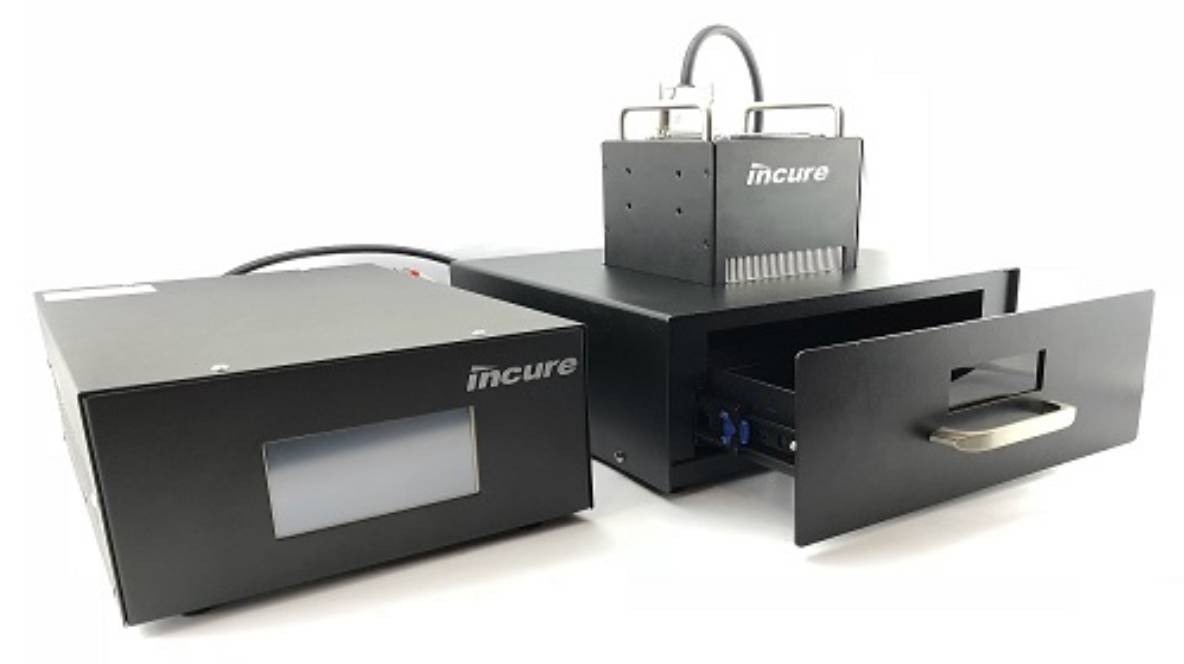
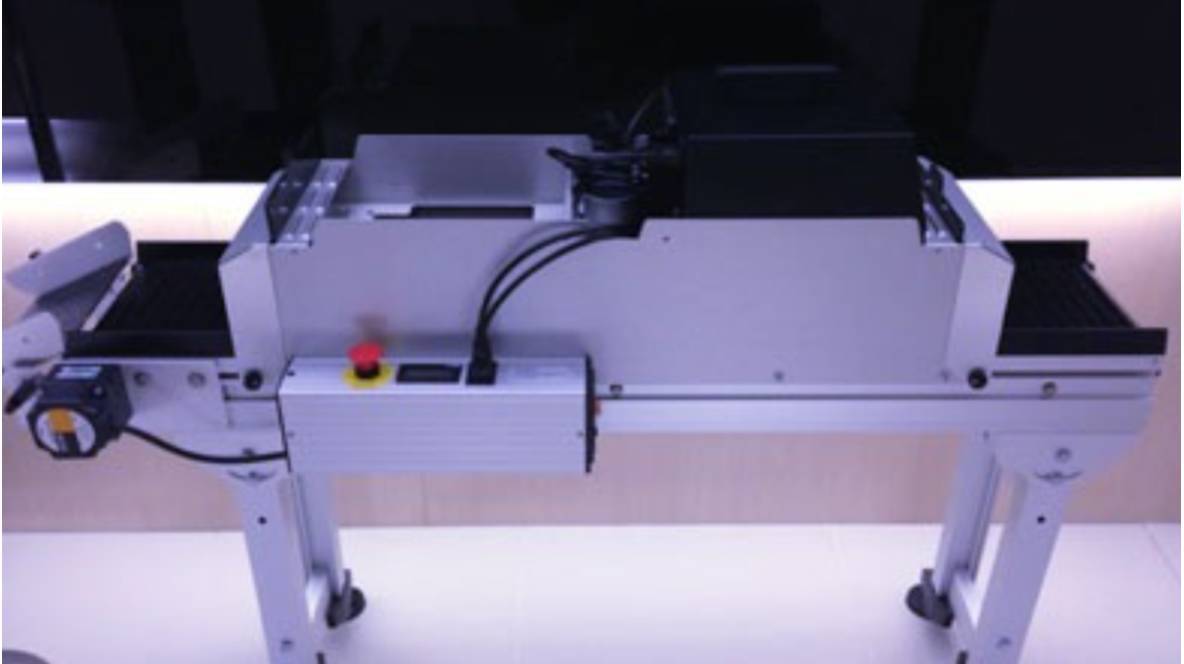
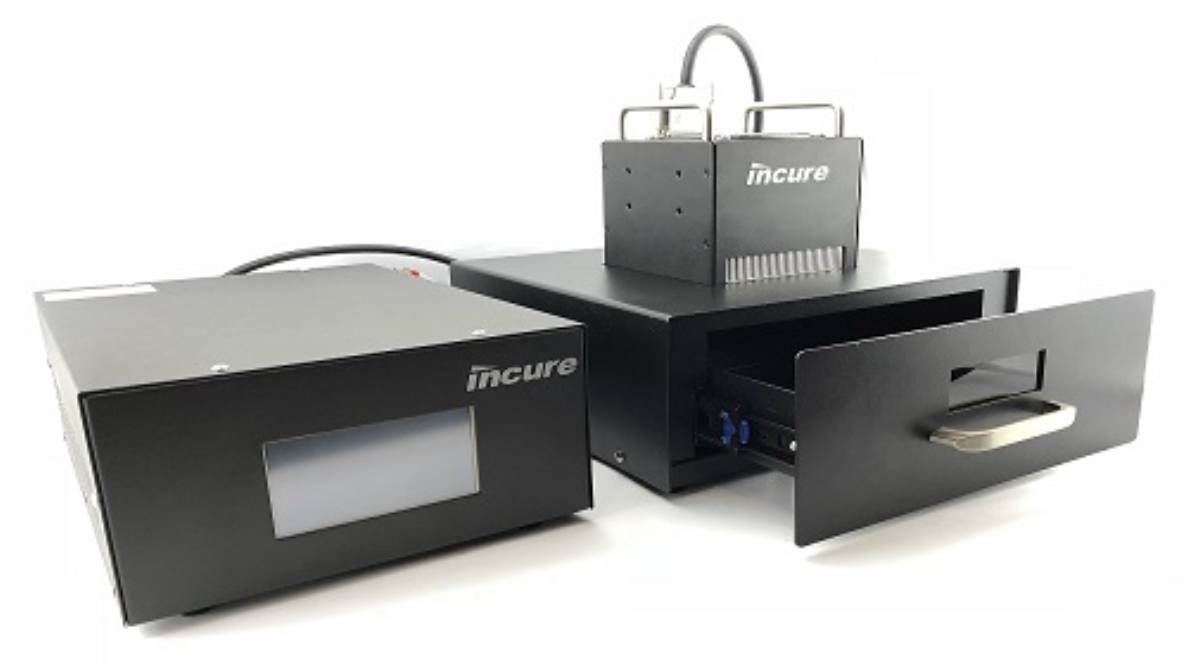
Curing a large coated panel or several parts at once puts a hard requirement on the lamp: uniform ultraviolet energy across the entire field, not just a bright center. Large-format UV LED flood lamps are built to hold irradiance steady edge to edge so that every part in the field reaches the same cure state. The Uniformity Problem at Scale Irradiance from any lamp falls off toward the edges of its field and drops with distance from the emitter. Over a small field the falloff is minor. Over a large field it can leave the perimeter under-dosed while the center is fully cured or slightly over-cured. A large-format LED array manages this with denser edge emitters and a working-distance specification that keeps edge-to-center variation within roughly 10–15 percent. Why LED Suits Large Fields Even, stable output: Solid-state emitters do not develop the hot spots and spectral drift that aging arc lamps show across a wide reflector. Low heat load: A large arc lamp radiates significant infrared over its whole field; an LED array keeps large thin panels flat. Instant switching: Big arc lamps are often left idling because of warm-up time. LED heads switch off between cycles with no penalty. Predictable maintenance: Output declines gradually and evenly over tens of thousands of hours. Specifying a Large-Format Flood Lamp Field dimensions: The uniform window must cover the largest panel or the full batch fixture in one exposure. Irradiance at working distance: Request the measured map, not a single peak number. Wavelength: Match the photoinitiator band, commonly 365, 385, or 405 nm. Cooling and duty cycle: Large arrays need active cooling rated for continuous back-to-back curing. Mounting and integration: Confirm the head can be fixed over a conveyor or inside a chamber for higher volume. Incure's L-Series UV LED flood lamps cover large fields, and the CDM UV conveyor pairs those heads with a moving belt for continuous production. Single Large Head or Tiled Array Two approaches cover a large area. A single large head is simpler to fixture and control but concentrates cooling load and cost in one unit. A tiled array of smaller heads lets you match the lit area to the part, replace one module instead of the whole head on failure, and scale coverage later. The tiling seams must overlap enough that the boundary between modules is not under-dosed; aim for 15–20 percent overlap and verify irradiance directly on the seam lines. Thermal Management of the Part Even though LED heads add far less radiant heat than arc lamps, a large panel under a high-irradiance field for several seconds still warms. On thin films and low-glass-transition plastics, that warming can soften the substrate before the resin fully cures, causing distortion. Where this shows up, lower irradiance and lengthen exposure to reach the same dose at a lower peak temperature, or move air across the part during cure. Batch Fixture Curing A large field is also useful for curing many small parts at once on a single fixture. The…