
Ultra High Bond Epoxy for Demanding Structural Applications

When a joint has to carry structural load, resist impact, and survive years of service, the adhesive choice narrows quickly. Ultra high bond epoxy is formulated for exactly those conditions: high tensile and shear strength, toughness under shock, and durable adhesion to a wide range of materials. What Ultra High Bond Epoxy Is Ultra high bond epoxy is a structural adhesive engineered to deliver high load capacity together with resistance to peel and impact, properties that many rigid epoxies sacrifice for stiffness. Toughening chemistry within the resin absorbs energy at a crack tip, so the bond resists sudden loads instead of shattering. Characteristics that matter for structural work: High tensile and shear strength across metals, engineering plastics, composites, ceramics, and masonry. Impact and peel resistance from a toughened, slightly resilient cured matrix. Environmental durability, holding strength through humidity, thermal cycling, and chemical exposure. Wide service range, with grades rated from cryogenic temperatures to elevated-temperature service. Formulation options in viscosity, cure speed, and gap-filling ability. Advantages in Structural Assembly Load spread across the joint. A bonded overlap distributes stress over its full area, avoiding the point loads that start cracks at rivets and bolt holes. Dissimilar-material joining. One adhesive bonds combinations that cannot be welded, such as aluminum to composite or steel to ceramic. Fewer fasteners. Structural bonding can reduce or replace mechanical fasteners, cutting weight and part count. Sealed joints. The bond line also seals against moisture and corrosion at the interface. Fatigue performance. A resilient structural adhesive damps vibration and resists the cyclic loading that loosens fasteners. Applications Manufacturing: bonding high-stress components in machinery, tooling, and equipment frames. Transportation: structural joints in rail vehicles, trailers, and specialty vehicle bodies. Marine: bonding fittings, stiffeners, and panels exposed to salt water and constant flexing. Aerospace: non-primary structural bonding of brackets, fairings, and interior components. Construction and infrastructure: anchoring, structural repair, and bonding of concrete, steel, and stone. Energy: bonding components in wind, solar-tracking, and power-equipment structures. Choosing the Right Grade Define the load case. Quantify the shear, tensile, peel, and impact the joint will see, including worst-case events. Select a grade whose rated strength exceeds the requirement with margin, and prioritize peel and impact ratings where the joint sees shock or vibration. Match materials and manage thermal movement. Bonding two materials with different expansion coefficients means the joint is stressed every time temperature changes. Our explanation of how CTE mismatch causes adhesive bond failure covers why a toughened, slightly flexible grade usually outperforms a rigid one on mixed-material structural joints. Set the working and cure time. Large assemblies need a long open time for fit-up; a fast-setting grade suits small parts and high line rates. Our comparison of which adhesive cures faster for quick repairs covers the trade-off between speed and repositionability. Confirm the environment. Check resistance to the specific chemicals, humidity, and temperature range, and to any immersion service. Account for gap. Choose a grade rated for the actual bond-line thickness; gap-filling grades hold strength in wider or uneven joints.…

Comments Off on Ultra High Bond Epoxy for Demanding Structural Applications

Ultra High Temperature Epoxy for Demanding Applications

Standard epoxies lose much of their strength by 120 C and char well before 300 C. Ultra high temperature epoxy is formulated to hold structural bonds where conventional adhesives soften, degrade, or release, making it the practical choice for engine, furnace, and process-equipment bonding. What Ultra High Temperature Epoxy Is Ultra high temperature epoxy uses heat-stable resin chemistry, often combined with ceramic or mineral fillers, to raise the glass transition temperature and slow thermal decomposition. The cured material keeps useful mechanical properties at continuous service temperatures that commonly reach 260 to 300 C, with short-term excursions higher depending on grade. Distinguishing properties: Thermal stability. Bond strength and dimensional stability are retained across a wide temperature band rather than collapsing near the resin's softening point. Chemical resistance. Heat-stable backbones also resist solvents, fuels, oils, and many process chemicals. Mechanical strength. Shear and compressive strength stay high enough for structural bonding and potting under load. Formulation range. Grades vary in viscosity, cure schedule, filler loading, and flexibility to suit different substrates and processes. Advantages in High-Heat Service Bonds where conventional epoxy fails. Reliable joints in locations that a general-purpose adhesive cannot survive. Durability over many thermal cycles. Resistance to the repeated expansion and contraction that fatigues a bond line. Design freedom. Structural adhesive bonding becomes an option in hot assemblies where only mechanical fastening or welding was previously viable. Lower maintenance. Durable bonds reduce the frequency of repair and replacement in heat-exposed equipment. Sealing plus bonding. Many grades seal against gas and fluid leakage while carrying load. Applications Aerospace: bonding brackets, heat-shield hardware, and engine-adjacent components. Automotive and transit: exhaust-system components, turbocharger hardware, sensor mounting near hot zones, and brake-system parts. Electronics: potting and encapsulating components in high-power modules and lighting where junction and ambient temperatures are elevated. Oil and gas: downhole tool assembly and component bonding under combined heat and pressure. Power generation: bonding and potting in turbine, generator, and boiler-auxiliary equipment. Industrial process equipment: ovens, dryers, kilns, and furnace instrumentation. Choosing the Right Grade Confirm the real service temperature. Identify the highest continuous temperature and any transient spikes at the bond location. Select a grade rated with margin above that figure; running an adhesive at its ceiling shortens life sharply. Match the substrate and manage expansion. Metals, ceramics, and composites expand at different rates. A rigid high-temperature epoxy between two materials with very different expansion coefficients builds stress on every heat cycle. Our explanation of how CTE mismatch causes adhesive bond failure covers the mechanism and why a filled or slightly resilient grade can outlast a rigid one on mixed joints. Check chemical exposure. Verify resistance to the specific fluids and vapors present, and to any cleaning chemistry used in service. Plan the cure. Nearly all ultra high temperature grades need an elevated-temperature cure, often a staged ramp, to develop full properties. A room-temperature-only cure on these chemistries typically leaves the joint under-strength. Confirm the shop can deliver the schedule. Assess mechanical demand. Match the grade's shear and compressive ratings…

Comments Off on Ultra High Temperature Epoxy for Demanding Applications

UV Light Curing Conveyor Systems for Streamlined Production

In today's fast-paced manufacturing environment, achieving efficient and consistent curing is crucial. Traditional curing methods can be slow, labor-intensive, and prone to inconsistencies. Enter UV light curing conveyor systems – a game-changing technology that automates and streamlines the curing process, propelling production efficiency to new heights. This blog delves into the functionalities, advantages, and diverse applications of UV light curing conveyor systems, empowering you to keep your production line moving and thriving. What are UV Light Curing Conveyor Systems? UV light curing conveyor systems combine the power of ultraviolet (UV) light technology with a conveyor belt, creating a continuous and automated curing process. Here's what makes them stand out: Automated Curing: Products are placed on the conveyor belt and transported under UV lamps, eliminating the need for manual handling and ensuring consistent exposure. Rapid Curing: UV light triggers rapid photopolymerization within the materials, significantly reducing curing times compared to traditional methods. Scalability: Systems come in various sizes and configurations, catering to diverse production volumes and product sizes. Process Control: Conveyor speed and lamp intensity can be precisely controlled for optimal curing results across different materials. Benefits of UV Light Curing Conveyor Systems Increased Production Efficiency: Automation eliminates manual handling bottlenecks and accelerates curing times, leading to higher throughput. Enhanced Product Quality: Consistent UV exposure ensures uniform curing and minimizes the risk of defects. Improved Labor Utilization: Reduced manual labor requirements allow workers to focus on higher-value tasks. Reduced Floor Space Requirements: Compact and efficient design optimizes production floor space utilization. Versatility: Capable of curing a wide range of UV-curable adhesives, coatings, inks, and resins across various industries. Applications for UV Light Curing Conveyor Systems The versatility of UV light curing conveyor systems makes them ideal for numerous applications: Electronics Manufacturing: Curing adhesives, encapsulants, and coatings on printed circuit boards (PCBs) and electronic components. Medical Device Assembly: Curing adhesives and bonding materials for rapid and sterile assembly of medical devices. Printing Industry: Curing UV inks, varnishes, and coatings on printed materials for fast and high-quality results. Automotive Applications: Curing adhesives, sealants, and coatings on various automotive parts during assembly and finishing processes. Furniture Manufacturing: Curing UV-curable finishes for a durable and aesthetically pleasing final product. 3D Printing Applications: Post-processing techniques like curing UV-curable resins for specific functionalities and enhanced product properties. Choosing the Right UV Light Curing Conveyor System Selecting the optimal system requires considering several factors: Conveyor Belt Size and Speed: Choose a system with a belt size and speed that accommodates your product dimensions and desired throughput. Lamp Type and Intensity: Consider the specific UV wavelength requirements of your curing materials and select a system with appropriate lamp type and adjustable intensity. Curing Area and Conveyor Length: Ensure the system has a sufficient curing area and conveyor length to handle your production volume effectively. Safety Features: Look for systems with safety features like UV shielding and emergency shut-off switches to prioritize worker safety. Keeping Your Production Line Moving Forward UV light curing conveyor systems offer a revolutionary approach to curing, streamlining processes, enhancing quality, and boosting production efficiency. By automating the curing process and ensuring consistent results, they empower manufacturers to keep their production lines moving forward and achieve success in…

Comments Off on UV Light Curing Conveyor Systems for Streamlined Production

UV Curing Bulbs: Powerful & Precise Curing Solutions

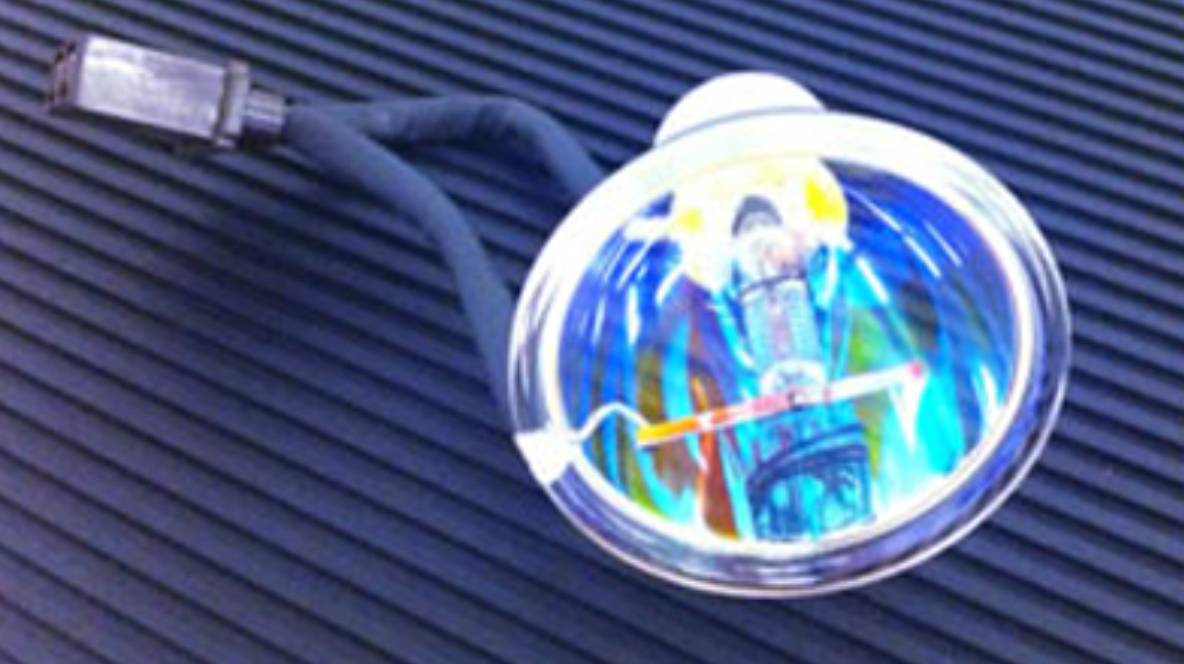
In today's manufacturing landscape, achieving fast and reliable curing is paramount. UV curing systems, utilizing the power of ultraviolet (UV) light, offer a compelling solution. But the heart of these systems lies within the UV curing bulb – the source of the curing energy. This blog delves into the world of UV curing bulbs, exploring their functionalities, types, and how they empower various UV curing applications. What are UV Curing Bulbs? UV curing bulbs are specialized lamps that emit ultraviolet light at specific wavelengths. This light triggers a photochemical reaction within UV-curable materials, causing them to solidify rapidly. Here's what makes them crucial for UV curing systems: Rapid Curing: UV light initiates a fast-acting polymerization process, significantly reducing curing times compared to traditional methods. Energy Efficiency: Modern UV curing bulbs offer high conversion rates, translating to efficient use of electrical energy. Versatility: Available in various wavelengths and configurations to cater to a wide range of UV-curable materials and applications. Types of UV Curing Bulbs Several types of UV curing bulbs address specific needs: Mercury Arc Lamps: Traditional and versatile option, offering broad spectrum UV output for curing various materials. Doped Mercury Arc Lamps: Enhanced versions with specific dopants to emit a narrower wavelength range for targeted curing applications. Metal Halide Lamps: Provide high intensity and longer lifespans compared to mercury arc lamps. LED (Light Emitting Diode) UV Curing Bulbs: Emerging technology offering energy efficiency, lower heat generation, and potentially longer lifespans. Choosing the Right UV Curing Bulb Selecting the optimal UV curing bulb requires considering several factors: Wavelength: Match the bulb's emission spectrum to the absorption characteristics of the specific UV-curable material being used. Power Output: Choose a bulb with sufficient power output to achieve the desired cure depth and speed for your application. Bulb Lifetime: Consider the expected operating hours and desired bulb replacement frequency. Environmental Considerations: Some bulbs may be better suited for specific working environments (e.g., temperature, ventilation). Benefits of UV Curing Bulbs UV curing bulbs offer numerous advantages for various industries: Increased Production Speed: Rapid curing times translate to faster production cycles and higher throughput. Enhanced Product Quality: Precise curing control minimizes the risk of defects and ensures consistent product quality. Reduced Energy Consumption: Efficient UV lamp technology contributes to lower operating costs. Environmentally Friendly Options: Certain UV curing bulbs offer lower mercury content or LED technology for a more eco-friendly approach. Broad Range of Applications: UV curing caters to various industries with diverse materials and curing needs. Applications for UV Curing Bulbs The versatility of UV curing bulbs makes them ideal for a wide range of applications: Printing Industry: Curing inks, varnishes, and coatings on printed materials. Electronics Manufacturing: Curing adhesives, encapsulants, and coatings on PCBs and electronic components. Optical Component Manufacturing: Bonding and curing optical components. Automotive Applications: Curing adhesives, sealants, and coatings in various automotive parts. Furniture Manufacturing: Curing UV-curable finishes for a durable and high-quality aesthetic. Medical Device Assembly: Curing adhesives for bonding and sterilization purposes in medical devices. The Future of UV Curing Bulbs Manufacturers are constantly innovating UV curing bulb technology. Advancements include: Development of more efficient and longer-lasting bulbs. Exploration of alternative light sources beyond traditional mercury lamps. Focus on environmentally friendly and sustainable…

Comments Off on UV Curing Bulbs: Powerful & Precise Curing Solutions

Guiding the Way: Single Pole and Multi-Pole Lightguides for UV/Visible Spot Light Curing Systems

In today's fast-paced manufacturing world, precise and efficient curing is essential. UV/Visible spot light curing systems offer a powerful solution, but delivering the light to the target area requires a vital component – the lightguide. This blog dives into the world of single pole and multi-pole lightguides, exploring their functionalities, advantages, and applications for UV/Visible spot light curing systems. What are Lightguides (Liquid Light Guides)? Lightguides, also known as liquid light guides or light wands, are flexible fiber optic cables that transmit UV or visible light from the curing lamp to the desired curing area. They offer several advantages: Remote Curing: Lightguides enable curing in areas inaccessible to the lamp itself, providing greater flexibility and maneuverability. Reduced Heat Transfer: The liquid core efficiently transmits light while minimizing heat transfer to the curing surface, protecting delicate materials. Conformal Curing: The flexible design allows the lightguide to conform to uneven surfaces, ensuring consistent curing across the targeted area. Single Pole vs. Multi-Pole Lightguides Lightguides come in two main configurations: Single Pole: Features a single channel for transmitting light to a single curing point. Ideal for precise, focused curing on small areas. Multi-Pole: Contains multiple channels within the same housing, allowing simultaneous curing of multiple points. Offers increased efficiency for applications requiring curing in several locations. Choosing Between Single Pole and Multi-Pole Lightguides The optimal choice depends on your specific application: Single Pole: Best suited for: Curing small, intricate areas. Applications requiring high-precision curing. Situations where only one curing point is needed. Multi-Pole: Ideal for: Curing multiple points simultaneously, improving efficiency. Applications requiring uniform curing across several locations with similar spacing. Situations where minimizing curing time is crucial. Benefits of Using Lightguides with UV/Visible Spot Light Curing Systems Enhanced Versatility: Lightguides provide remote curing capabilities and allow for curing on uneven surfaces. Improved Efficiency: Multi-pole lightguides can expedite curing processes by addressing multiple points simultaneously. Precise Curing: Single pole lightguides offer focused beams for high-precision curing on small areas. Reduced Heat Transfer: Liquid core minimizes heat transfer, protecting temperature-sensitive materials. Wide Range of Applications: Compatible with various UV and visible light curing systems across diverse industries. Applications for Single Pole and Multi-Pole Lightguides The versatility of lightguides makes them ideal for numerous UV/Visible spot light curing applications: Electronics Manufacturing: Curing adhesives, encapsulants, and coatings on PCBs and electronic components. Medical Device Assembly: Targeted curing of adhesives and bonding materials in medical device manufacturing. Composite Bonding: Curing adhesives used in composite material bonding applications. 3D Printing Applications: Post-processing techniques like curing UV-curable resins for specific functionalities. Optical Component Manufacturing: Precise curing of adhesives used in the assembly of optical components. Automotive Applications: Curing adhesives and sealants in various automotive assembly processes. Choosing the Right Lightguide Selecting the optimal lightguide requires considering several factors: Light Source Compatibility: Ensure the lightguide core material is compatible with the wavelength of your UV/Visible curing system. Single Pole vs. Multi-Pole: Choose based on the number of curing points and desired level of precision. Tip Options: Consider various tip configurations (straight, angled, etc.) to suit your specific application needs. Length and Diameter: Select a length that provides sufficient reach and a diameter…

Comments Off on Guiding the Way: Single Pole and Multi-Pole Lightguides for UV/Visible Spot Light Curing Systems

Lightguide Simulators: Optimize UV Curing Efficiency & Light Output

In UV curing applications, maintaining optimal light intensity is crucial for ensuring proper cure depth and product quality. However, directly measuring the output from a lightguide – a flexible fiber optic cable used to deliver UV light – can be challenging. Here's where lightguide simulators come in – powerful tools that shed light on the true light output of your UV curing system, independent of the lightguide itself. This blog explores the functionalities, advantages, and applications of lightguide simulators, empowering you to optimize and maintain efficient UV curing processes. What is a Lightguide Simulator? A lightguide simulator is a precision optical tool specifically designed to mimic the reflective properties of a lightguide. It essentially acts as a substitute for the lightguide, allowing you to directly measure the UV light output from your curing lamp. Here's why lightguide simulators are valuable: Accurate Lamp Output Measurement: By bypassing the lightguide, the simulator enables direct measurement of the UV lamp's intensity, providing a clear picture of its true output capability. Early Detection of Lamp Degradation: As UV lamps degrade over time, their light output diminishes. Lightguide simulators help detect this decrease in intensity before it negatively impacts cure quality. Improved Process Control: Precise knowledge of the lamp's output allows for adjustments to curing parameters, ensuring consistent and reliable results. Reduced Production Downtime: Early detection of lamp issues through lightguide simulators helps prevent unexpected failures and costly production downtime. Cost-Effective Maintenance Tool: Regular use of lightguide simulators promotes proactive maintenance and extends the life of your UV curing lamps. Benefits of Using Lightguide Simulators for UV Curing Enhanced Product Quality: Ensuring optimal light output from the lamp translates to consistent and reliable cure depth, contributing to superior product quality. Improved Process Efficiency: Reduced risk of under-curing or over-curing due to precise knowledge of lamp output. Optimized Maintenance Schedules: Lightguide simulators enable proactive lamp maintenance, minimizing disruptions and optimizing lamp life. Reduced Operating Costs: Early detection of lamp issues prevents wasted materials and potential product rework, ultimately reducing operating costs. Increased Confidence in Your UV Curing Process: Lightguide simulators provide valuable data for validation and quality control procedures. Applications for Lightguide Simulators Lightguide simulators are essential tools for various industries that rely on UV curing processes: Electronics Manufacturing: Ensuring proper curing of adhesives, encapsulants, and coatings on PCBs and electronic components. Medical Device Assembly: Maintaining consistent cure depth for adhesives and bonding materials in medical device manufacturing. Printing Applications: Optimizing UV curing of inks and coatings in printing processes. Optical Component Manufacturing: Precise curing of adhesives used in the assembly of optical components. Automotive Applications: Maintaining consistent cure quality for adhesives and sealants in various automotive assembly processes. Choosing the Right Lightguide Simulator Selecting the optimal lightguide simulator requires considering several factors: Compatibility with Lamp Type: Ensure the simulator is compatible with the specific UV lamp used in your curing system. Wavelength Range: Choose a simulator that measures the relevant UV wavelength range for your curing application. Measurement Capabilities: Consider the desired level of detail, such as basic intensity readings or advanced features like spatial distribution analysis. Ease of Use: Select a simulator with a user-friendly design and clear instructions for accurate and efficient measurements.…

Comments Off on Lightguide Simulators: Optimize UV Curing Efficiency & Light Output

Lightguide Terminators: Enhance UV and Visible Spot Light Curing Precision

In today's fast-paced manufacturing environment, achieving precise and efficient curing is paramount. UV/Visible spot light curing systems offer a powerful solution, but maximizing their effectiveness requires proper control of the light beam. Enter lightguide terminators – specialized attachments that enhance worker safety and optimize the curing process for UV/Visible spot light curing systems. This blog sheds light on the functionalities, advantages, and diverse applications of lightguide terminators, empowering you to achieve focused and efficient curing solutions. What are Lightguide Terminators? Lightguide terminators are attachments specifically designed for use with liquid lightguide (also known as light wand) delivery systems in UV/Visible spot light curing applications. They connect to the distal end of the lightguide, offering several key benefits: Enhanced Worker Safety: Lightguide terminators typically block ultraviolet (UV) light below a certain wavelength (e.g., 340 nm), minimizing exposure for workers and protecting them from potential UV-related hazards. Improved Beam Collimation: Certain terminators can collimate the light beam, focusing it into a tighter spot size for more precise curing on targeted areas. Reduced Glare: Terminators often help to reduce stray light and glare emanating from the lightguide tip, improving worker comfort and visibility during the curing process. Application Versatility: Available in various configurations with different angles (e.g., 60°, 90°) and functionalities to cater to specific application needs. Benefits of Using Lightguide Terminators with UV/Visible Spot Light Curing Systems Enhanced Worker Safety: Reduced UV exposure promotes a safer working environment. Improved Curing Precision: Focused light beams enable more accurate and efficient curing of targeted areas. Reduced Risk of Over-Curing: Precise light control minimizes the potential for unintended curing of adjacent areas. Increased Productivity: Faster and more targeted curing can contribute to improved production efficiency. Enhanced Process Control: Certain terminators offer features like distance sensors to optimize curing parameters. Applications for Lightguide Terminators with UV/Visible Spot Light Curing Systems The versatility of lightguide terminators makes them ideal for various applications across diverse industries: Electronics Manufacturing: Precise curing of adhesives, encapsulants, and coatings on PCBs and electronic components. Medical Device Assembly: Targeted curing of adhesives and bonding materials in medical device manufacturing. Composite Bonding: Curing adhesives used in composite material bonding applications. 3D Printing Applications: Post-processing techniques like curing UV-curable resins for specific functionalities. Optical Component Manufacturing: Precise curing of adhesives used in the assembly of optical components. Automotive Applications: Curing adhesives and sealants in various automotive assembly processes. Choosing the Right Lightguide Terminator Selecting the optimal lightguide terminator requires considering several factors: Light Source Compatibility: Ensure the terminator is compatible with the wavelength of your UV/Visible spot light curing system. Desired Beam Profile: Choose a terminator with the appropriate angle (e.g., straight, angled) and collimation capabilities to achieve the desired curing spot size. Worker Safety Features: Prioritize terminators that offer adequate UV blocking capabilities for worker protection. Application Requirements: Consider the specific curing needs of your application, such as the need for distance sensors or other functionalities. Shine a Light on Focused Curing Solutions Lightguide terminators offer a valuable addition to UV/Visible spot light curing…

Comments Off on Lightguide Terminators: Enhance UV and Visible Spot Light Curing Precision

Light Curable Peelable Masks for Surface Protection and Parts Handling

Masking tape lifts at the edges, liquid latex tears, and hard coatings need solvent to remove. Light curable peelable masks solve all three problems: a liquid applied only where it is needed, cured in seconds under UV light, and peeled away clean when the process is done. What Light Curable Peelable Masks Are A light curable peelable mask is a liquid resin that cures under ultraviolet light into a tough, elastic film with deliberately low adhesion to the substrate. It protects a surface or a keep-out area through a downstream process, then peels off by hand in one piece, leaving no residue. Defining properties: Selective, dispensable application. The liquid goes exactly where a boundary is needed, including around fine features and into recesses, without the fit-up problems of die-cut tape. Fast cure. UV exposure sets the film in seconds, so masking is not a bottleneck. Clean removal. The cured film has enough cohesive strength to peel intact and low enough adhesion to release without lifting coatings or leaving tack. Process resistance. Grades resist heat, solder, blasting media, plating chemistry, and solvents to varying degrees. Conformability. The film follows contours and steps that rigid tape bridges over. Advantages Over Traditional Masking Higher throughput. Dispense-and-cure is faster than cutting, positioning, and burnishing tape, and de-masking is a single peel. Better edge definition. A dispensed boundary gives a sharp, repeatable line for coating, plating, or blasting. Lower damage risk. No adhesive residue and no aggressive pull on delicate surfaces or previously applied finishes. Complex geometry coverage. The liquid seals around pins, holes, and raised features that tape cannot follow. Reduced consumable waste. Apply only the volume needed rather than trimming sheet stock. Where Peelable Masks Are Used Electronics manufacturing: protecting connectors, gold fingers, and sensitive components during wave and selective soldering, conformal coating, and cleaning. Aerospace manufacturing: shielding turbine blades and precision surfaces during thermal spray, plating, shot peening, and chemical processing. Automotive manufacturing: protecting machined faces, threads, and finished surfaces during painting, coating, and assembly. Rail and transit manufacturing: masking sealing faces and fastener locations on large fabricated components through paint and coating lines. Optical component manufacturing: temporary protection of polished surfaces and coatings during handling, edging, and assembly. Metal finishing: defining plating and anodizing boundaries and protecting non-process areas. Selecting the Right Mask Process temperature. The controlling factor for solder and thermal-spray masking. Choose a grade rated above the peak the mask will actually see, including brief spikes. A mask that softens or chars during the process fails and contaminates the part. Chemical exposure. Plating baths, strippers, and solvents each attack different films. Confirm resistance to the specific chemistry, not just a general rating. Peel behavior. The mask must hold through the process but release without effort afterward. Very aggressive adhesion defeats the purpose; too little lets the film lift mid-process. Match peel strength to the substrate and the process duration. Film build and viscosity. Higher-viscosity and gel grades build thickness in one pass and hold vertical edges; lower-viscosity grades self-level…

Comments Off on Light Curable Peelable Masks for Surface Protection and Parts Handling

UV Glass Bonding Adhesives for Seamless Assembly

Glass rewards a clean assembly and punishes a messy one. Mechanical clamps add visible hardware and stress risers; slow epoxies leave squeeze-out and haze. UV glass bonding adhesives cure in seconds under UV light into a clear, strong joint with no visible fastener. What UV Glass Bonding Adhesives Are These are single-component acrylate formulations that stay liquid until UV or visible light triggers polymerization. For glass work they are formulated to: Cure water-clear, so the bond line does not read as a seam. Wet glass well, forming a continuous interface without pinholes. Shrink little on cure, which limits internal stress and optical distortion. Withstand moisture, thermal cycling, and vibration once fully cured. Cover a viscosity range, from wicking grades that fill sub-100-micron gaps by capillary action to gels that hold a vertical joint. Because glass transmits UV, the light usually reaches the bond line through the glass itself, which makes glass-to-glass and glass-to-transparent-plastic joints straightforward to cure. Glass-to-metal joints need light access from the glass side or a grade with a secondary cure mechanism for the shadowed region. Advantages for Industrial Assembly Short cycle time. Fixture in seconds under a lamp instead of clamping for hours. Invisible joints. No brackets or screws interrupting a glass surface. Even stress distribution. Load spreads across the bonded area rather than concentrating at a clamp or drilled hole, which is where glass fractures. Sealed bond line. The adhesive also seals against moisture and dust. Single-component handling. No mixing, no pot life, no mix-ratio error. Selecting the Right Grade Substrate pairing. Glass-to-glass, glass-to-metal, and glass-to-ceramic each behave differently. Metals and ceramics expand at very different rates from glass, so a joint between them cycles stress with temperature. Our explanation of how CTE mismatch causes adhesive bond failure covers why a slightly resilient grade often outlasts a rigid one on mixed-material glass joints. Bond-line gap. Measure the actual gap. Low-viscosity grades wick into tight, well-fitted joints; higher-viscosity and gel grades bridge wider or uneven gaps without running. Strength and stress. Decide whether the joint sees shear, peel, or impact. Rigid high-strength grades maximize shear capacity; grades with built-in vibration damping trade some peak strength for fatigue life under continuous movement. Cure light access. Confirm the light can reach the full bond line through a transparent substrate. Where part of the joint is shadowed by metal, specify a dual-cure grade. Environmental exposure. Match datasheet limits for humidity, temperature range, and chemical contact to the service conditions. Incure's Uni-Weld UV glass and metal bonder line covers this range. Low-viscosity grades such as Uni-Weld 1931 wick into precision joints; mid-viscosity grades like Uni-Weld 2204 and its thicker 2204VT and 2204VTL variants suit wider gaps and vertical work; and grades such as Uni-Weld 2463, 2813, and 8260 offer higher tensile capacity for structural glass joints. Our guide to matching a UV glass and metal bonder to viscosity and tensile requirement walks through the choice. Email Us with your substrate pair and joint geometry for a grade recommendation. Applications Electronics: bonding…

Comments Off on UV Glass Bonding Adhesives for Seamless Assembly

High-Performance Metal Adhesives for Strong Bonding

In the realm of metal fabrication and assembly, achieving a strong, permanent bond is paramount. Traditional methods like welding and riveting have served their purpose, but they come with limitations. Enter high-performance metal adhesives – a revolutionary solution offering exceptional strength, versatility, and a streamlined bonding process. This blog delves into the world of high-performance metal adhesives, exploring their advantages, functionalities, and diverse applications for robust metal bonding. Why Choose High-Performance Metal Adhesives? High-performance metal adhesives offer numerous advantages over traditional joining methods: Strong and Reliable Bonds: These adhesives can create bonds that rival the strength of welds, ensuring long-lasting and secure metal connections. Versatility: Metal adhesives can bond a wide range of metals, including dissimilar metals that are difficult or impossible to weld. Uniform Stress Distribution: Adhesives distribute stress more evenly across the bonded area compared to welds, potentially reducing the risk of stress concentrations and fractures. Sealing and Gap Filling: Certain adhesives can fill gaps and imperfections between metal surfaces, creating a watertight and airtight seal. Lightweight and Streamlined Assembly: Adhesives eliminate the need for heat and bulky equipment, simplifying the assembly process and reducing weight in structures. Reduced Distortion: Metal bonding with adhesives minimizes heat distortion compared to welding, preserving the dimensional integrity of components. Types of High-Performance Metal Adhesives Several types of high-performance metal adhesives cater to different bonding needs: Epoxy Adhesives: Two-part epoxies offer exceptional strength, chemical resistance, and versatility, making them suitable for a wide range of metal bonding applications. Anaerobic Adhesives: These one-part adhesives cure in the absence of air, ideal for filling gaps and bonding tight-fitting metal parts. Acrylic Adhesives: Known for their fast curing speeds, flexibility, and good strength, acrylic adhesives are well-suited for bonding dissimilar metals or applications requiring some degree of joint movement. Structural Acrylic Adhesives: A high-strength variation of acrylic adhesives, offering exceptional bond strength and durability for demanding applications. Cyanoacrylate Adhesives (Super Glues): Fast-curing and well-suited for small parts, super glues require careful application due to their rapid setting time. Applications for High-Performance Metal Adhesives The versatility and strength of high-performance metal adhesives make them ideal for various applications in diverse industries: Automotive Assembly: Bonding body panels, spoilers, and interior components for a lightweight and streamlined design. Aerospace Manufacturing: Creating strong and reliable bonds in aircraft structures where weight reduction is crucial. Construction: Adhering metal panels, cladding systems, and other building components. Appliance Manufacturing: Bonding metal parts in appliances like refrigerators, dishwashers, and washing machines. Electronics Manufacturing: Securing heat sinks, EMI shielding components, and other metal parts in electronic devices. Metal Fabrication: Joining dissimilar metals, filling gaps, and creating leak-proof seals in various metal structures. Choosing the Right High-Performance Metal Adhesive Selecting the optimal adhesive for your application requires considering several factors: Substrate Compatibility: Ensure the adhesive is formulated for the specific metals you are bonding. Strength Requirements: Choose an adhesive with the necessary bond strength to withstand the expected loads and stresses. Environmental Conditions: Consider factors like temperature, moisture, and chemical exposure to select an adhesive…

Comments Off on High-Performance Metal Adhesives for Strong Bonding