UV Glue on Phone Screens: Myths vs. Facts for Screen Protectors

In the world of phone repairs, cracked screens are a common woe. DIY enthusiasts often turn to UV glue as a potential solution. But a crucial question arises: Does UV glue damage the phone screen? The answer depends on several factors, and navigating the web can be confusing. Let's separate myth from fact and explore the potential risks and considerations when using UV glue on phone screens. Potential Risks of UV Glue on Screens While UV glue can be a powerful bonding agent, there are potential drawbacks when used on phone screens: Heat Generation: The curing process of some UV glues can generate heat, potentially damaging delicate phone components like the LCD display or touch screen functionality. Improper Application: Excess glue or seepage into the phone's interior can damage internal components or disrupt functionality. Degradation of Oleophobic Coating: Some UV glues might affect the phone screen's oleophobic coating, which repels fingerprints and keeps the screen smooth. Uneven Curing: Uneven light exposure during curing can lead to a distorted or uneven screen appearance. Manufacturer Warnings and Alternatives It's important to note that many phone manufacturers explicitly advise against using UV glue for screen repairs. They often recommend professional repairs or official replacement screens to ensure optimal functionality and avoid voiding warranties. Considering Alternatives for Screen Repair Here are some alternative solutions for cracked phone screens: Professional Repair Services: Trained technicians have the expertise and tools to replace the screen safely and effectively. Official Replacement Screens: Using manufacturer-approved replacement screens guarantees compatibility and maintains warranty coverage. Screen Protectors: While not a fix for cracks, high-quality screen protectors can offer additional protection against future damage. When Might UV Glue Be Okay (with Caution)? In some limited scenarios, UV glue might be a viable option, but with extreme caution: Small, Non-Touch-Sensitive Cracks: For very minor cracks that don't affect touch functionality, UV glue might be a temporary fix. However, proceed with significant caution and research specific repair tutorials for your phone model. Non-Essential Devices: If the phone is an older model or not your primary device, the risk of further damage might be more acceptable. However, professional repair is still the safest option. The Takeaway: Safety First for Your Phone Screen While UV glue can be a useful adhesive in various applications, it's important to prioritize the safety of your phone screen. Professional repair services or official replacement screens are generally the recommended approach to ensure optimal functionality and avoid potential damage caused by UV glue. Remember: A phone screen is a crucial component, and a repair gone wrong can be costly. If you're unsure, err on the side of caution and seek professional help.

Comments Off on UV Glue on Phone Screens: Myths vs. Facts for Screen Protectors

UV Glue Curing: Understanding the Speed of Light-Activated Adhesives

UV glue, a revolutionary adhesive in the crafting and repair world, boasts impressive features like fast curing and precise application. But how fast exactly does UV glue cure? The answer, like many things, depends! Let's delve into the factors that influence the curing speed of UV glue and explore ways to optimize this process. The Science of Speed: Light and Resin Activation UV glue relies on a unique light-activated curing process. Here's the breakdown: Photosensitive Resins: The glue contains light-sensitive resin molecules waiting for their cue. UV Light Exposure: When exposed to ultraviolet (UV) light of the appropriate wavelength, these resin molecules spring into action, rapidly linking together. Solidification: This rapid linking process creates a strong, cross-linked network, solidifying the adhesive and forming a secure bond. Curing Speed Factors: Light and Glue Properties Several factors influence how quickly UV glue cures: UV Light Intensity: A stronger UV lamp (higher wattage) emits more intense light, accelerating the curing process. Conversely, a weaker light source will result in slower curing. UV Light Wavelength: The glue is formulated to react to a specific UV light wavelength. Ensure your UV lamp emits the appropriate wavelength for optimal curing speed. Glue Thickness: Thicker layers of glue naturally take longer to cure compared to thin layers, as the light needs to penetrate deeper to activate all the resin molecules. Glue Formulation: Different UV glue formulas might have slightly varying curing times depending on the specific resin composition. Optimizing Curing Speed for Peak Performance Here are some tips to ensure your UV glue cures as quickly as possible: Use a High-Quality UV Lamp: Invest in a UV lamp with a suitable wattage and appropriate wavelength for your chosen UV glue. Apply Thin Glue Layers: For faster curing, aim for thin and even application of the glue. Cure in Stages for Thick Applications: For thicker layers, consider curing the glue in stages, flipping or rotating the object for even light exposure throughout the entire layer. Consult the Glue's Technical Specifications: Most UV glue manufacturers provide recommended curing times and lamp specifications in their product information. Average Curing Times: A General Guideline While specific times vary, most UV glues cure within a range: Low-Power UV Lamps: 30-60 seconds High-Power UV Lamps: 5-10 seconds Remember, these are general estimates. Always refer to the manufacturer's recommendations for your specific UV glue and light source for the most accurate curing times. Beyond Speed: The Advantages of UV Glue While curing speed is a crucial factor, UV glue offers other advantages: Precise Application: Light-controlled curing allows for pinpoint application and minimal adhesive seepage, ideal for delicate repairs and intricate projects. Strong Bonds: UV glue forms durable bonds that can withstand significant stress in many applications. Minimal Heat Impact: Cures at room temperature, making it safe for heat-sensitive materials commonly used in electronics and delicate crafts. The Takeaway: Understanding Curing Speed for Optimal Results By understanding the factors that influence curing speed and implementing optimization techniques, you can ensure your UV glue cures efficiently.…

Comments Off on UV Glue Curing: Understanding the Speed of Light-Activated Adhesives

Blacklight vs. UV Glue: Can a Blacklight Really Cure UV Adhesives?

In the realm of adhesives, UV glue stands out for its innovative light-activated curing process. But not all light is created equal! Crafters and hobbyists often wonder: Will a blacklight cure UV glue? The answer, unfortunately, is no. Here's why a blacklight falls short in activating this powerful adhesive. Understanding Light Wavelengths Light is a spectrum of energy with varying wavelengths. Ultraviolet (UV) light occupies a specific range within this spectrum, invisible to the human eye. UV glue is formulated to react to these specific UV wavelengths, triggering the curing process. Blacklights and Their (Limited) Light Blacklights emit ultraviolet radiation, but with a much lower wavelength compared to the UV light needed for curing UV glue. Think of it like radio stations – a blacklight broadcasts on a different frequency than the one your UV glue is tuned to receive. The Consequences for Curing Since blacklights emit the wrong type of UV light, they won't provide the necessary energy to activate the photosensitive components in UV glue. The glue might appear slightly thicker over time, but it won't achieve the full strength and stability needed for a proper bond. It's like trying to use a walkie-talkie to reach a satellite – the signal just won't get through. Alternatives for Light Activation If you lack a dedicated UV lamp for curing your UV glue, here are a few options: Look for UV Glue Kits: Many UV glue products are sold as kits that include a small UV lamp specifically designed for curing the adhesive. Consider Super Glue: For situations requiring rapid bonding and lacking a UV lamp, traditional super glue (cyanoacrylate) offers a fast and convenient alternative that cures through a chemical reaction upon contact with moisture. The Power of Proper UV Light When used with a dedicated UV lamp that emits the appropriate wavelength, UV glue offers several advantages: Rapid Curing: Exposure to UV light triggers instant curing, perfect for projects requiring immediate bonding. Precise Application: Light-controlled curing allows for pinpoint application and minimal adhesive seepage, ideal for delicate repairs and intricate projects. Strong Bonds: UV glue forms durable bonds that can withstand significant stress in many applications. Minimal Heat Impact: Cures at room temperature, making it safe for heat-sensitive materials commonly used in electronics and delicate crafts. The Takeaway: Embrace the Right Light for Strong Bonds While blacklights might create a cool atmosphere, they won't activate your UV glue. Understanding the specific light requirements ensures you leverage the full potential of UV glue for fast, precise, and secure bonding in various projects. So, invest in a proper UV lamp and unlock the true power of light-activated adhesion!

Comments Off on Blacklight vs. UV Glue: Can a Blacklight Really Cure UV Adhesives?

UV Glue: Can It Cure Without Light? The Truth About UV Adhesives

In the world of adhesives, UV glue stands out for its unique curing process. Unlike traditional glues that dry through evaporation or chemical reactions, UV glue relies on a specific trigger: ultraviolet (UV) light. This begs the question: Will UV glue dry without UV light? The answer is a resounding no. Here's why UV light is essential for this innovative adhesive. Understanding UV Glue Curing UV glue contains photosensitive resins that react to UV light exposure. Imagine tiny light-sensitive building blocks within the glue, waiting for the right signal to assemble. When exposed to UV light, these building blocks activate and rapidly form strong, cross-linked chains, solidifying the adhesive and creating a secure bond. Why UV Light is Crucial Without exposure to UV light, the photosensitive components in the glue remain inactive. The glue might appear to thicken slightly over time, but it won't achieve the full strength and stability needed for a proper bond. Think of it as those building blocks waiting for the signal to assemble – without that signal, they remain scattered and unable to form a solid structure. Alternatives for Quick Fixes? Since UV glue requires light activation, what are your options if you lack a UV lamp and need a quick fix? Here are a few alternatives: Super Glue: Consider using a traditional super glue (cyanoacrylate) for situations requiring rapid bonding. Super glue cures through a chemical reaction upon contact with moisture, offering a fast and convenient solution for many repairs. Double-Sided Tape: For temporary fixes or situations where bonding strength isn't critical, double-sided tape can provide a quick and easy solution. The Benefits of UV Glue (with Light!) While UV light is a requirement, UV glue offers several advantages when used correctly: Lightning-Fast Curing: Exposure to UV light triggers instant curing, making UV glue ideal for projects requiring immediate bonding. Precise Application: Light-controlled curing allows for precise application and minimal adhesive seepage, perfect for delicate repairs and intricate projects. Strong Bonds: UV glue forms durable bonds that can withstand significant stress in many applications. Minimal Heat Impact: Cures at room temperature, making it safe for heat-sensitive materials commonly used in electronics and delicate crafts. The Takeaway: Embrace the Light for Strong Bonds UV glue is a powerful adhesive, but it relies on its namesake – ultraviolet light – to fully activate its bonding potential. While alternative solutions exist for situations lacking a UV lamp, understanding the unique properties of UV glue allows you to leverage its advantages for fast, precise, and secure bonding in various projects. So, the next time you reach for UV glue, remember to embrace the light and unlock the full potential of this innovative adhesive!

Comments Off on UV Glue: Can It Cure Without Light? The Truth About UV Adhesives

UV Glue vs. Epoxy: Choosing the Right Adhesive for Your Project

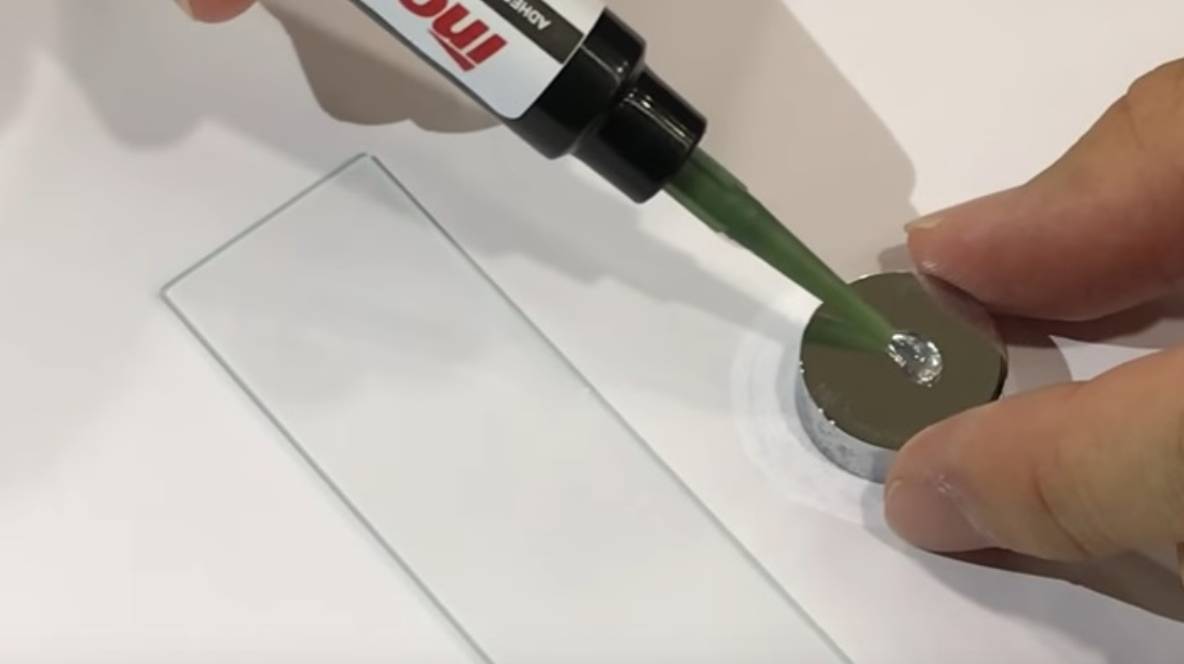
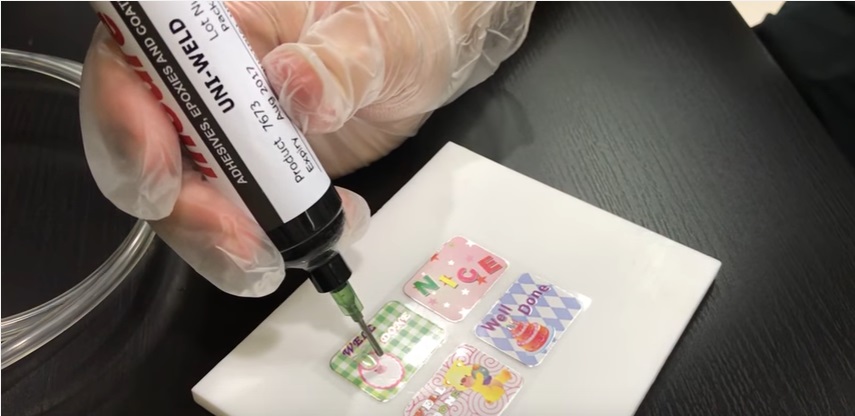
In the realm of adhesives, two titans reign supreme: UV glue and epoxy. Both boast impressive strength and versatility, but which one truly deserves the crown as the strongest bonding champion? Let's delve into the properties of each contender to determine the victor, considering factors beyond just sheer strength. UV Glue: The Speedy Specialist UV glue, known for its light-activated curing, shines in specific areas: Lightning-Fast Curing: Exposure to UV light triggers instant curing, offering unparalleled speed for projects requiring immediate bonding. Precise Application: Light-controlled curing allows for pinpoint application and minimal adhesive seepage, ideal for delicate repairs and intricate projects. Strong Bonds: Don't underestimate its strength! UV glue forms durable bonds that can withstand significant stress in many applications. Minimal Heat Impact: Cures at room temperature, making it safe for heat-sensitive materials commonly used in electronics and delicate crafts. However, UV glue has limitations: Light Source Needed: Requires a separate UV lamp to cure the adhesive, adding an extra step to the process. Limited Working Time: Once dispensed, UV glue has a short window before light exposure becomes necessary for curing. Material Compatibility: While versatile, UV glue may not be suitable for all materials. Always check compatibility beforehand. Epoxy: The All-Around Powerhouse Epoxy, a two-part adhesive known for its chemical reaction cure, offers distinct advantages: Exceptional Strength: Epoxy generally boasts higher bond strength compared to UV glue, making it ideal for high-stress applications. Versatility: Bonds a wide range of materials, including metals, wood, plastics, and even some fabrics. Gap Filling Capabilities: Certain epoxies can fill gaps and uneven surfaces, useful for repairs and creating strong bonds between dissimilar materials. Longer Working Time: Provides more time for positioning and adjustments before the adhesive sets. But epoxy also has drawbacks: Slower Curing: Curing times can range from minutes to hours, depending on the epoxy type, which can be inconvenient for projects requiring immediate results. Mixing Required: Requires precise mixing of two components, which can be messy and introduce errors if not done correctly. Heat Generation: Some epoxies generate heat during the curing process, which may not be ideal for heat-sensitive materials. So, Which Glue Reigns Supreme? There's no single victor! The "strongest" choice depends on your project's specific needs: Choose UV Glue for: Fast repairs requiring immediate bonding. Precise application on delicate projects. Bonding heat-sensitive materials (electronics, miniatures). Choose Epoxy for: Bonding applications requiring maximum strength. Filling gaps and uneven surfaces. Bonding a wider variety of materials. Beyond Strength: Additional Considerations Remember, strength isn't the only factor to consider. Project requirements like curing speed, ease of use, and material compatibility play a crucial role. The Future of Bonding Technology Both UV glue and epoxy are constantly evolving. We may see advancements in UV glue offering faster curing times and wider material compatibility. Epoxy technology might lead to formulations with reduced heat generation and easier mixing processes. The Final Verdict UV glue and epoxy are not rivals, but rather powerful tools in your adhesive arsenal. Understanding their strengths, weaknesses, and ideal applications…
Comments Off on UV Glue vs. Epoxy: Choosing the Right Adhesive for Your Project

UV Glue vs. Super Glue: Picking the Perfect Partner for Your Project

When it comes to quick and secure bonding, super glue (cyanoacrylate) reigns supreme. But for some projects, a newer contender steps into the ring: UV glue. Both offer impressive adhesive properties, but which one deserves a place in your toolbox? Let's dissect the strengths and weaknesses of UV glue and super glue to help you choose the perfect bonding partner for your needs. Super Glue: The Classic Contender Super glue has earned its reputation for a reason. Here's what makes it a reliable choice: Fast Curing: Super glue sets in seconds, making it ideal for quick repairs and projects requiring immediate bonding. Simple Application: No mixing or complex procedures – just apply a small drop and press the parts together. Versatility: Bonds a wide range of materials, including plastics, metals, wood, and rubber. Cost-Effective: A single tube of super glue lasts a long time for small repairs and projects. But super glue isn't perfect: Fumes and Odor: Strong fumes can be irritating and unpleasant, especially in poorly ventilated areas. Blooming: Excess adhesive can leave a white residue around the bonding area, affecting aesthetics. Limited Working Time: Once applied, you have a limited window to position your pieces before the glue sets. UV Glue: The Light-Activated Challenger UV glue offers a unique approach to bonding, with distinct advantages: Precise Control: Curing is triggered by UV light, allowing for precise application and minimal adhesive spread. Strong Bonds: UV glue forms incredibly durable bonds that can withstand significant stress and strain. Minimal Heat Impact: Cures at room temperature, making it safe for heat-sensitive materials like electronics and delicate crafts. Fast Curing (with Light): Exposure to UV light cures the glue within seconds, offering rapid bonding. However, UV glue has its limitations: Light Source Needed: Requires a separate UV lamp to cure the adhesive, adding an extra step to the process. Limited Working Time: Once dispensed, UV glue has a limited working time before light exposure becomes necessary. Material Compatibility: While versatile, UV glue may not be suitable for all materials. Always check compatibility beforehand. So, When Should You Choose Each Glue? Super Glue: Ideal for quick repairs, general household fixes, and bonding a variety of materials when fast curing and ease of use are priorities. UV Glue: Perfect for projects requiring precise application, minimal heat impact, strong bonds, and working with heat-sensitive materials. Well-suited for intricate repairs, miniatures, jewelry making, and electronics. Ultimately, the best choice depends on your specific project needs. Consider factors like curing speed, desired precision, material compatibility, and the presence of a UV light source. The Future of Bonding Solutions Both UV glue and super glue are continually evolving. We may see advancements in super glue formulations that address odor and blooming concerns. UV glue technology might lead to faster curing times, wider material compatibility, and potentially integrated light sources within the adhesive applicator. The Takeaway: Super glue and UV glue are not replacements for each other, but rather complementary tools in your bonding arsenal. Understanding their strengths and…

Comments Off on UV Glue vs. Super Glue: Picking the Perfect Partner for Your Project

Does UV Glue Really Work? Unveiling the Power of Light-Activated Bonding

We've all been there: a broken phone case, a loose earring back, or a delicate craft project needing a strong, precise bond. Super glue often comes to mind, but for some applications, a more specialized solution is needed. Enter UV glue, a unique adhesive activated by ultraviolet light. But does UV glue truly live up to the hype? Let's delve into the world of UV adhesives and explore their effectiveness. The Science Behind UV Glue Unlike traditional glues that rely on evaporation or chemical reactions, UV glue utilizes the power of light. Formulated with photosensitive resins, UV glue cures (hardens) when exposed to ultraviolet radiation. This targeted activation allows for precise bonding control and minimal adhesive spread, making it ideal for delicate applications. Advantages of UV Glue: Fast Curing: UV glue boasts lightning-fast curing times, typically within seconds of exposure to UV light. This is a game-changer for projects requiring immediate bonding and eliminates the need for lengthy drying periods. Strong Bonds: Don't underestimate the strength of UV glue! These adhesives form incredibly durable bonds that can withstand significant stress and strain, making them suitable for a variety of uses. Precise Application: The light-activated curing process allows for precise control over the bonding area. This is particularly advantageous for intricate repairs or projects requiring minimal adhesive visibility. Minimal Heat Impact: Unlike some bonding techniques that involve heat, UV glue cures at room temperature. This is crucial for heat-sensitive materials commonly used in electronics, miniatures, and delicate crafts. Versatility: UV glue can bond a wide range of materials, including plastics, metals, glass, and even some fabrics. This makes it a versatile tool for various applications. Does UV Glue Have Any Drawbacks? While offering significant advantages, UV glue does have some limitations to consider: Light Source Requirement: You'll need a dedicated UV light source, such as a UV lamp, to cure the adhesive. This adds an extra step to the process compared to traditional glues. Limited Working Time: Once dispensed, UV glue has a limited working time before exposure to light becomes necessary for curing. This requires working quickly and efficiently, especially for larger projects. Material Compatibility: While versatile, UV glue may not be suitable for all materials. Always check compatibility before application. So, Does UV Glue Really Work? The answer is a resounding yes! UV glue offers a unique and effective bonding solution, particularly for applications requiring speed, precision, and minimal heat impact. While some limitations exist, the advantages of UV glue make it a valuable tool for crafters, hobbyists, and professionals working with delicate materials. The Future of UV Glue Technology As research and development continue, UV glue technology is expected to evolve even further. We can expect faster curing times, improved compatibility with various materials, and potentially even light sources integrated directly into glue dispensing tools. Conclusion: UV glue isn't a replacement for traditional adhesives, but rather a complementary tool offering distinct advantages. If you're looking for a fast, strong, and precise bonding solution, UV glue is definitely worth…

Comments Off on Does UV Glue Really Work? Unveiling the Power of Light-Activated Bonding

Medical-Grade Cyanoacrylates: Essential for Medical Device Manufacturing

Cyanoacrylate adhesives, often known as "super glues," are a household staple for quick fixes. But did you know a specialized version of this fast-acting adhesive is revolutionizing the medical device manufacturing industry? Medical-grade cyanoacrylates offer a unique set of advantages, making them a compelling choice for various applications. Advantages of Medical-Grade Cyanoacrylates in Manufacturing Speed and Efficiency: Time is money, especially in manufacturing. Medical-grade cyanoacrylates cure in seconds, significantly accelerating assembly lines compared to traditional methods like welding or solvent bonding. This translates to faster production times and increased output. Strong and Durable Bonds: Don't be fooled by the instant cure time. Medical-grade cyanoacrylates form incredibly strong and durable bonds. They can withstand various stresses and strains, ensuring the integrity of medical devices during use. Exceptional Adhesion: These adhesives excel at bonding a wide range of materials commonly used in medical devices, including plastics, metals, rubbers, and even some fabrics. This versatility simplifies the manufacturing process and eliminates the need for multiple adhesives. Minimal Heat Impact: Unlike some bonding techniques that involve heat, medical-grade cyanoacrylates cure at room temperature. This is crucial for heat-sensitive components within medical devices, preventing damage and ensuring device functionality. Microscopic Bonding Capabilities: Medical-grade cyanoacrylates boast exceptional precision, allowing for the creation of microscopic bonds. This is ideal for delicate components within intricate medical devices. Applications of Medical-Grade Cyanoacrylates in Manufacturing The unique properties of medical-grade cyanoacrylates make them suitable for a wide range of applications in medical device manufacturing, including: Assembling disposable medical devices: Catheters, syringes, and IV sets all benefit from the fast and reliable bonding offered by medical-grade cyanoacrylates. Securing delicate components: Tiny sensors or intricate electronic parts within medical devices can be securely fastened with these precision adhesives. Creating microfluidic channels: The ability to form microscopic bonds makes medical-grade cyanoacrylates ideal for creating microfluidic channels used in diagnostic devices and microlabs. Sealing components: These adhesives effectively seal components within medical devices, preventing leaks and ensuring sterility. Repairing small defects: Minor imperfections or tears in medical device components can be efficiently repaired using medical-grade cyanoacrylates. Choosing the Right Medical-Grade Cyanoacrylate With various medical-grade cyanoacrylate options available, selecting the perfect one for your manufacturing process requires careful consideration: Viscosity: Viscosity refers to the thickness of the adhesive. Choose a lower viscosity for faster flow and capillary action, or a higher viscosity for thicker bonds and gap filling. Cure Speed: Consider your production line speed. Some adhesives cure in seconds, while others offer slightly slower cure times for more intricate applications. Material Compatibility: Ensure the chosen adhesive effectively bonds the specific materials used in your medical devices. Sterilization Compatibility: Select an adhesive compatible with your chosen sterilization method (e.g., ETO, gamma radiation) to maintain device sterility. The Future of Medical Device Manufacturing Medical-grade cyanoacrylates are revolutionizing the medical device manufacturing landscape. Their speed, strength, versatility, and minimal heat impact make them a valuable asset for creating reliable and high-quality medical devices. As research and development continue, we can expect even more innovative applications of these…

Comments Off on Medical-Grade Cyanoacrylates: Essential for Medical Device Manufacturing

UV Resin for 3D Printing: Advantages for Precision & Detail

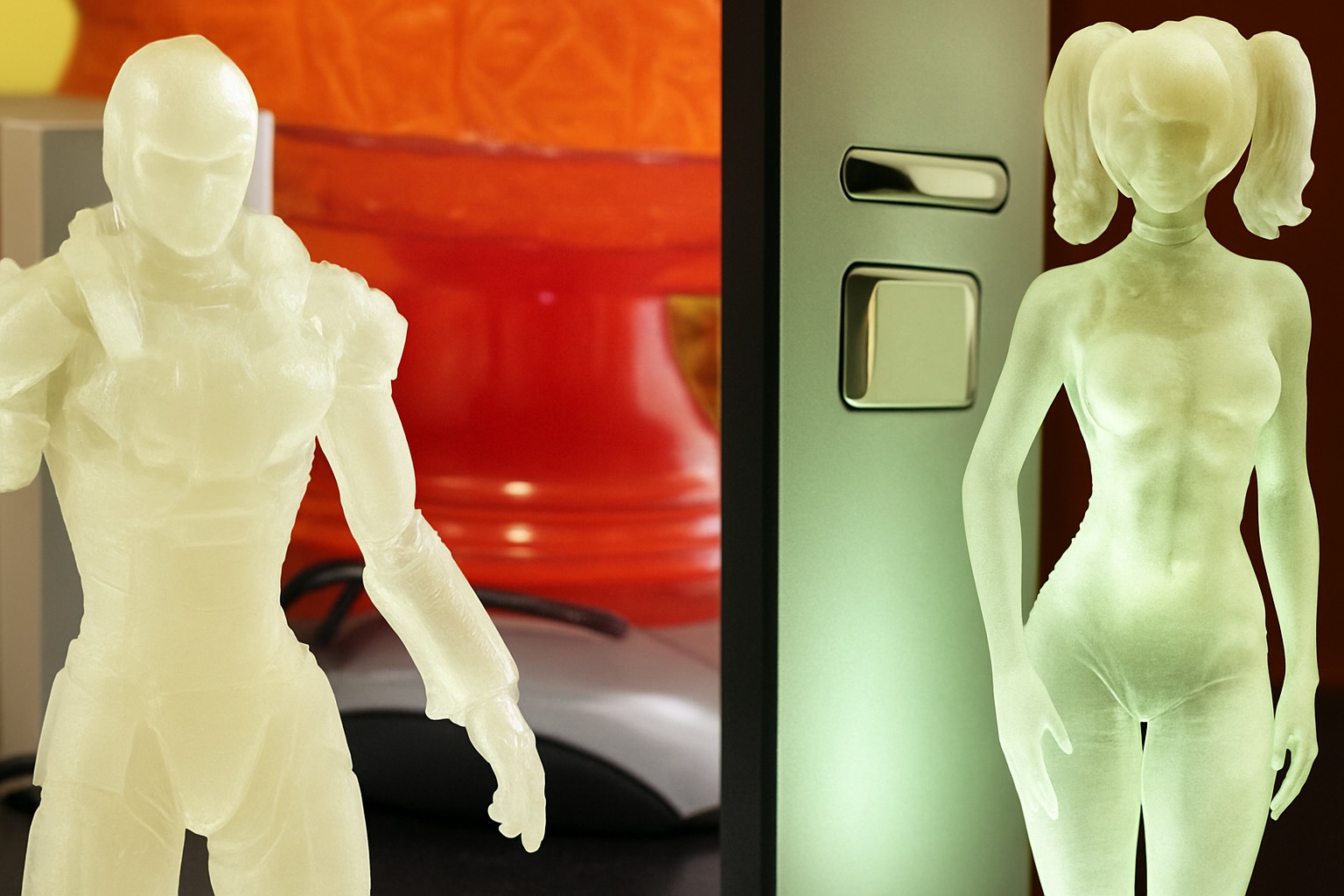
For hobbyists and professionals alike, 3D printing has become a powerful tool for creating intricate objects and bringing ideas to life. But within the realm of 3D printing itself lies a diverse range of materials, each offering unique benefits. Today, we'll delve into the world of UV resin and explore why it might be the perfect choice for your next 3D printing project. What is UV Resin and How Does it Work? UV resin, also known as SLA resin (Stereolithography Apparatus resin), is a photosensitive liquid used in 3D printers that employ SLA technology. These printers work by directing a focused beam of ultraviolet (UV) light onto the resin layer by layer, solidifying it according to the digital blueprint. This precise curing process allows for exceptional detail and smooth surface finishes. The Allure of UV Resin: Unveiling the Advantages So, why choose UV resin for your 3D printing endeavors? Here are some compelling reasons: Unmatched Resolution: Due to the layer-by-layer curing with UV light, UV resin offers unparalleled resolution in the 3D printing world. This makes it ideal for projects requiring intricate details, such as jewelry prototypes, miniature figurines, or highly detailed architectural models. Superior Smoothness: Say goodbye to visible layer lines! UV resin prints boast a remarkably smooth surface finish, eliminating the need for extensive post-processing steps often required with other 3D printing materials like FDM filament. This translates to objects with a more professional and aesthetically pleasing appearance. Broad Material Range: While traditionally known for clear resins, the UV resin landscape has grown significantly. Today, you can find UV resins in various colors, opacities, and even with special properties like flexibility or high-temperature resistance. This versatility opens doors for a wider range of applications. Faster Printing Times: Compared to other 3D printing methods, UV resin printing can boast faster printing speeds. This is because the curing process with UV light happens rapidly, translating to quicker turnaround times for your projects. Functional Prototyping Potential: UV resins aren't just for show! With the availability of tougher resins, UV printing can be suitable for creating functional prototypes that require a balance of detail and durability. Considering UV Resin? A Few Points to Ponder While UV resin offers a plethora of advantages, it's essential to be aware of some considerations: Safety First: UV resin can be an irritant, so proper handling and safety precautions are crucial when working with it. This includes wearing gloves, eye protection, and ensuring proper ventilation in your printing space. Post-Processing: While minimal compared to other methods, UV resin prints may still require some post-processing, such as cleaning away excess resin and support structures. Material Cost: UV resin tends to be more expensive per liter compared to some FDM filaments. However, the high detail and potentially smaller amount of material needed for a project can balance out the cost. The Final Verdict: Is UV Resin Right for You? If you prioritize exceptional detail, smooth surface finishes, and faster printing times for your 3D creations, then UV resin is…

Comments Off on UV Resin for 3D Printing: Advantages for Precision & Detail

3D Printing Technologies: The Ultimate Guide to Pros, Cons & Applications

The world of 3D printing is booming, offering anyone the ability to create complex objects from the comfort of their home (or workshop). But with so many 3D printing technologies available, choosing the right one can feel overwhelming. Fear not, maker enthusiast! This blog will be your one-stop guide to popular 3D printing methods, exploring their pros, cons, and ideal applications. Understanding 3D Printing: Building Block by Block At its core, 3D printing builds objects layer by layer based on a digital blueprint. This allows for the creation of intricate shapes and designs that would be impossible with traditional manufacturing. However, the way each layer is formed varies greatly, leading to distinct 3D printing processes, each with its own strengths and weaknesses. Top Contenders in the 3D Printing Arena Let's delve into some of the most widely used 3D printing technologies, highlighting their pros, cons, and prime uses: Fused Deposition Modeling (FDM): The Accessible Workhorse Pros: Affordable, user-friendly, vast material selection (ABS, PLA, etc.), good for rapid prototyping. Cons: Lower resolution, visible layer lines, may require support structures and post-processing. Ideal for: Beginners, quick prototypes, hobbyists, large objects. Stereolithography (SLA): The Michelangelo of 3D Printing Pros: Unparalleled detail and smooth surface finish, ideal for intricate designs. Cons: Limited material selection (mostly resins), can be more expensive than FDM. Ideal for: Jewelry, dental applications, high-resolution models, design visualization. Selective Laser Sintering (SLS): The Powerhouse for Durability Pros: Excellent for functional prototypes and end-use parts, high strength and durability, wider material range (including metals). Cons: Requires specialized handling (powder material), higher cost compared to FDM and SLA. Ideal for: Functional prototypes, prosthetics, industrial applications. Digital Light Processing (DLP): The Speedy Resin Specialist Pros: Faster printing times than SLA, good resolution and detail, works with resins. Cons: Similar limitations to SLA in material selection and post-processing. Ideal for: Mid-range prototypes, art pieces, industrial tooling. PolyJet: The Multi-Material Master Pros: Prints multiple colors and materials in a single build, excellent for complex prototypes. Cons: High cost per print, limited build volume compared to some methods. Ideal for: Multi-part functional prototypes, detailed models requiring multiple materials. Choosing the Right Tool for the Job With a variety of 3D printing processes at your disposal, selecting the perfect one boils down to your specific project needs. Here are some key factors to consider: Material: Do you need a strong, functional part, a high-resolution model with smooth finish, or multi-colored components? Accuracy and Detail: How important are fine features and a polished look for your project? Cost: Budget is a real consideration. FDM is generally the most affordable, while metal SLS printing can be expensive. Complexity: How intricate is your design? Some methods, like FDM, may struggle with complex geometries. The Takeaway: Unlocking Your Creativity with 3D Printing The world of 3D printing offers endless possibilities for creators and innovators. By understanding the different types of 3D printing technologies, their strengths and limitations, you're well on your way to selecting the perfect tool to bring your ideas to…

Comments Off on 3D Printing Technologies: The Ultimate Guide to Pros, Cons & Applications