Compact UV Flood Curing Lamps for Efficient Manufacturing

In today's manufacturing landscape, speed and precision are paramount. Compact UV flood curing lamps emerge as powerful allies, offering a focused and efficient solution for light-curable materials. Let's explore the advantages, diverse applications, and key factors to consider when choosing the right compact UV flood curing lamp for your production needs. Advantages of Compact UV Flood Curing Lamps: Fast Curing Speeds: UV flood curing utilizes ultraviolet light to rapidly cure adhesives, coatings, and inks, significantly accelerating production processes compared to traditional methods. Space-Saving Design: Unlike larger curing systems, compact flood lamps offer a smaller footprint, making them ideal for applications with limited space or integration into existing production lines. Versatility: These lamps can be configured with various wavelengths and intensities to accommodate a wide range of light-curable materials. Ease of Use: Operating a compact flood lamp is typically straightforward, often requiring minimal setup and training for operators. Energy Efficiency: Compared to traditional curing methods, UV technology consumes less energy, contributing to a more sustainable production environment. Applications of Compact UV Flood Curing Lamps: Small-Batch Production: Compact lamps excel in curing small batches of products, making them ideal for prototypes, short runs, or on-demand production. Selective Curing: The focused beam of these lamps allows for targeted curing of specific areas on a product, offering greater control over the curing process. Bonding and Sealing: UV flood lamps are well-suited for bonding components, sealing enclosures, and applying protective coatings in various applications. 3D Printing Applications: Certain post-processing techniques in 3D printing utilize UV flood lamps to cure light-sensitive resins, enhancing the final product's strength and durability. Repair and Restoration: These lamps can be used for localized curing applications, such as repairing small cracks or bonding components during restorations. Choosing the Right Compact UV Flood Curing Lamp: Selecting the most suitable compact UV flood lamp requires careful consideration of several factors: Wavelength: Choose a lamp with a wavelength compatible with the specific light-curable material you're using. Intensity: The intensity of the UV light determines the curing speed. Consider your production needs and choose a lamp with sufficient intensity for efficient curing. Curing Area: Select a lamp with a curing area that effectively covers the area you need to cure on your products. Ease of Integration: Consider how the lamp can be integrated into your existing production line or workflow. Safety Features: The lamp should be equipped with safety features like light shielding and interlocks to protect operators from UV radiation exposure. Additional Considerations: Lamp Life: Different lamps have varying lifespans depending on usage and maintenance. Factor in replacement costs when making your selection. Cooling System: Some lamps generate heat during operation. Choose a model with an integrated cooling system for optimal performance and longevity. Maintenance Needs: Regular cleaning and replacement of UV bulbs are essential for maintaining lamp effectiveness. Consider the maintenance requirements of the lamp before purchasing. Conclusion: Compact UV flood curing lamps offer a compelling solution for manufacturers seeking to streamline production processes and achieve fast, precise curing of light-curable materials. By…

Comments Off on Compact UV Flood Curing Lamps for Efficient Manufacturing

UV Light Curing Conveyor Systems: Guide to Faster Production

In today's fast-paced manufacturing environment, efficiency is key. UV light curing conveyor systems offer a powerful solution, streamlining production processes for light-curable adhesives, coatings, and inks. Let's explore the advantages, diverse applications, and key factors to consider when choosing a UV light curing conveyor system for your manufacturing needs. Advantages of UV Light Curing Conveyor Systems: Rapid Curing: UV light technology offers incredibly fast curing times compared to traditional methods like heat curing. This translates to significant improvements in production speed and throughput. Consistent Curing: Conveyor systems ensure consistent exposure of materials to UV light, resulting in uniform and reliable curing throughout the production line. This minimizes the risk of inconsistencies or defects. Scalability: UV curing conveyor systems can be configured in various sizes and layouts to accommodate different production volumes and product types. This allows for easy integration and scalability as your needs evolve. Reduced Labor Costs: Automated conveyor systems minimize manual labor requirements for handling materials during the curing process, leading to reduced labor costs. Energy Efficiency: UV curing systems typically consume less energy compared to traditional methods like heat curing, contributing to a more sustainable production process. Applications of UV Light Curing Conveyor Systems: Electronics Manufacturing: UV curing is widely used in electronics assembly for bonding components, encapsulating delicate parts, and applying protective coatings. Medical Device Manufacturing: The fast and precise curing capabilities of UV light make it ideal for adhering components and applying coatings in medical devices. Automotive Industry: From bonding trim pieces to applying protective coatings on car parts, UV curing conveyor systems play a significant role in automotive manufacturing. Printing and Packaging: UV curing is used for printing applications like inkjet printing and for applying protective coatings on packaging materials. Consumer Goods Manufacturing: The technology finds use in various consumer goods, from applying decorative finishes to bonding components in appliances and electronics. Choosing the Right UV Light Curing Conveyor System: Selecting the most suitable UV light curing conveyor system requires careful consideration of several factors: Conveyor Belt Size and Speed: Choose a system with a belt size and speed that can accommodate your production volume and product dimensions. UV Lamp Configuration: Consider the type and number of UV lamps needed for your specific curing requirements (intensity, wavelength). Material Compatibility: Ensure the system's UV light source is compatible with the light-curable materials you'll be using. Curing Zone Length: The length of the curing zone should allow for sufficient exposure time to achieve complete and uniform curing. Safety Features: The system should be equipped with safety features like interlocks and light shielding to protect operators from UV radiation exposure. Additional Considerations: Ventilation: Proper ventilation is crucial to remove heat and potential fumes generated during the curing process. Maintenance: Regular maintenance of the conveyor system and UV lamps is essential for optimal performance and longevity. Integration with Existing Lines: Consider how the UV curing system will integrate with your existing production lines for seamless workflow. Conclusion: UV light curing conveyor systems offer a game-changing solution for manufacturers…

Comments Off on UV Light Curing Conveyor Systems: Guide to Faster Production

Peelable Silicone Masks: Applications & Benefits

In the realm of manufacturing and electronics assembly, precision and protection are paramount. Peelable silicone masks, also known as peelable silicone rubber masks, emerge as unsung heroes, providing a temporary yet crucial layer of protection for delicate components. Let's explore the advantages, diverse applications, and key factors to consider when choosing the right peelable silicone mask for your needs. Advantages of Peelable Silicone Masks: Temporary Protection: Peelable silicone masks offer a temporary layer of protection during various processes like soldering, painting, or coating. This allows for precise application of materials while safeguarding sensitive areas. Clean and Easy Removal: Once the desired process is complete, the peelable mask can be easily removed by hand, leaving behind a clean and residue-free surface. This eliminates the need for harsh cleaning solvents that could damage components. Conformability: The flexibility of silicone allows the mask to conform to even intricate surface shapes, ensuring complete and effective protection for complex components. High-Temperature Resistance: Many peelable silicone masks can withstand high temperatures, making them suitable for soldering and other heat-intensive processes. Chemical Resistance: Certain peelable silicone masks offer resistance to various chemicals, protecting components during processes involving solvents or coatings. Applications of Peelable Silicone Masks: Printed Circuit Board (PCB) Soldering: This is a primary application. Peelable silicone masks protect specific areas of a PCB during soldering, preventing unwanted solder flow and potential damage to delicate components. Conformal Coating Applications: Similar to soldering, peelable masks can shield specific areas of a PCB before applying conformal coatings, ensuring precise application and protecting sensitive components. Surface Finishing: During processes like painting or electroplating, peelable silicone masks can safeguard unwanted areas, achieving clean and defined finishes. Component Protection During Assembly: In delicate assembly processes, peelable masks can offer temporary protection for specific components, preventing scratches or damage during handling. Optical Component Masking: For applications involving lenses or other optical components, peelable masks with high optical clarity can be used for temporary protection during cleaning or assembly. Choosing the Right Peelable Silicone Mask: Selecting the most suitable peelable silicone mask requires considering several factors: Temperature Resistance: Choose a mask with a temperature rating exceeding the process temperature (soldering, coating) it will be subjected to. Chemical Compatibility: If your process involves exposure to specific chemicals, ensure the mask offers the necessary chemical resistance. Cure Time (if applicable): Some peelable masks require a short curing time after application. Factor this into your workflow. Ease of Removal: Consider the peel strength – a balance between easy removal and secure adhesion during the process. Mask Thickness: Choose a thickness that offers sufficient protection without compromising flexibility or conformability. Additional Considerations: Surface Preparation: For optimal adhesion, ensure the surface is clean, dry, and free of contaminants before applying the mask. Shelf Life: Be mindful of the mask's shelf life and storage recommendations to maintain its effectiveness. Conclusion: Peelable silicone masks offer a valuable solution for temporary protection in various manufacturing and assembly processes. By understanding their advantages, diverse applications, and key selection criteria, you can choose the…

Comments Off on Peelable Silicone Masks: Applications & Benefits

UV Curable Silicone: Fast Curing Light-Activated Solutions

Silicone, a versatile material known for its flexibility and durability, takes a leap forward with the introduction of UV silicone. Cured using ultraviolet (UV) light technology, UV silicone offers a unique set of advantages, expanding its application possibilities. Let's delve into the benefits, diverse uses, and key considerations for choosing the right UV silicone for your project. Advantages of UV Silicone: Rapid Curing: Unlike traditional silicones that require time or heat to cure, UV silicone solidifies rapidly upon exposure to UV light. This translates to faster production times and improved efficiency in various applications. Precise Curing Control: UV light allows for targeted curing of specific areas, offering greater control over the curing process compared to traditional methods. This is particularly beneficial for intricate applications or those requiring selective bonding. Environmentally Friendly: UV curing eliminates the need for heat or harsh solvents, making UV silicone a more eco-friendly choice compared to some traditional curing methods. Excellent Adhesion: UV silicone bonds exceptionally well to various materials, including glass, metal, plastics, and even some fabrics. This versatility makes it suitable for a wide range of applications. Durable and Flexible: Despite the rapid curing process, UV silicone retains the core properties of traditional silicone – it's durable, flexible, and resistant to moisture, temperature extremes, and vibrations. Applications of UV Silicone: Electronics Assembly: UV silicone's rapid curing and precise control make it ideal for potting and encapsulating delicate electronic components, offering protection and structural support. Medical Devices: The biocompatible nature of certain UV silicones makes them suitable for medical devices, providing a secure and protective seal while maintaining flexibility for movement. Optical Bonding: UV silicone's high transparency and precise curing allow for effective optical bonding of lenses and other optical components, crucial for various applications. Sealing and Gasketing: UV silicone can be used to create fast-curing, watertight seals and gaskets for various applications, from appliances to lighting fixtures. 3D Printing Applications: UV silicone can be utilized as a printing material for specific 3D printing processes, offering unique properties for creating flexible and durable printed parts. Choosing the Right UV Silicone: Selecting the most suitable UV silicone requires considering several factors: Viscosity: Choose a viscosity suitable for your application method (syringe dispensing, brush application, etc.). Thicker viscosities offer better gap filling but might require more pressure to apply. Cure Speed: Consider the desired curing speed based on your production workflow. Some UV silicones cure in seconds, while others might require slightly longer exposure. Light Source: Ensure compatibility between the chosen UV silicone and your UV light source (wavelength, intensity). Optical Properties: For optical bonding or applications requiring light transmission, select a UV silicone with high transparency. Chemical Resistance: If your application involves exposure to specific chemicals, choose a UV silicone with the necessary chemical resistance. Additional Considerations: Surface Preparation: Proper surface cleaning and pre-treatment are crucial for optimal adhesion with UV silicone. Safety Precautions: UV light can be harmful to eyes and skin. Always wear appropriate personal protective equipment (PPE) when working with UV silicone and…

Comments Off on UV Curable Silicone: Fast Curing Light-Activated Solutions

Silicone Conformal Coatings: Protecting Electronic Circuits

The world of electronics thrives on intricate circuits, but these delicate components are vulnerable to environmental threats. Here's where silicone conformal coatings step in as silent guardians. These protective layers offer numerous advantages, find diverse applications, and require careful selection for optimal results. Let's explore what makes silicone conformal coatings so valuable. Advantages of Silicone Conformal Coatings: Moisture Protection: Silicone boasts excellent moisture resistance, shielding circuits from humidity, water splashes, and even full submersion in certain cases. This is crucial for electronics exposed to harsh environments or potential condensation. Contamination Barrier: The coating acts as a barrier against dust, dirt, and other airborne contaminants that could lead to electrical shorts or corrosion. This is especially important for electronics used in dusty or industrial settings. Vibration and Shock Resistance: Silicone's flexibility allows it to absorb vibrations and shocks, protecting delicate components from physical stress that could cause damage or malfunction. Thermal Management: Certain silicone coatings offer some degree of thermal management, aiding in heat dissipation and preventing component overheating. Dielectric Strength: Silicone provides good electrical insulation, protecting circuits from short circuits caused by electrical leakage. Applications of Silicone Conformal Coatings: Printed Circuit Boards (PCBs): This is the most common application. A conformal coating safeguards PCBs used in various electronics, from consumer devices like smartphones to industrial control systems. Automotive Electronics: With their exposure to moisture, vibration, and temperature extremes, automotive electronics heavily rely on silicone conformal coatings for protection. Medical Devices: The biocompatible nature of certain silicone coatings makes them suitable for medical devices, ensuring their functionality and safety in potentially harsh environments. Marine Electronics: Marine electronics face the challenges of salt spray, humidity, and vibrations. Silicone conformal coatings provide essential protection in these demanding conditions. Consumer Electronics: From smartphones and tablets to wearables, silicone conformal coatings enhance the reliability and durability of everyday electronics. Choosing the Right Silicone Conformal Coating: Selecting the most suitable silicone conformal coating requires considering several factors: Level of Protection Needed: Evaluate the environmental threats your electronics will face (moisture, temperature, vibration) and choose a coating with the appropriate level of protection. Application Method: Silicone conformal coatings come in various forms, including sprays, dips, and brush-on applications. Choose one that aligns with your production setup and expertise. Curing Process: Some coatings cure at room temperature, while others require heat curing. Factor in the curing time and temperature requirements into your workflow. Flexibility: Consider the level of flexibility needed. More flexible coatings offer better vibration resistance but might be slightly less moisture-resistant. Removal Considerations: If future repairs or component replacements are anticipated, choose a coating that can be removed easily. Additional Considerations: Environmental Regulations: Certain applications might have environmental regulations regarding solvent content in the coating. Choose a compliant option if necessary. Material Compatibility: Ensure the coating is compatible with the materials used in your PCB and components to avoid unwanted chemical reactions. Conclusion: Silicone conformal coatings offer a reliable and versatile solution for protecting electronic circuits from a wide range of environmental threats. By understanding their…

Comments Off on Silicone Conformal Coatings: Protecting Electronic Circuits

Thermally Conductive Epoxy: High-Performance for Demanding Applications

Need a strong, permanent bond for thermal management? Thermally conductive epoxy offers superior heat transfer, vibration resistance, and gap filling. Ideal for demanding electronics applications. Learn more! Managing heat in electronics is crucial for performance and longevity. While thermal paste is a common solution, thermally conductive epoxy provides a stronger, more permanent bond for demanding applications. This guide explores the advantages, uses, and selection criteria for this essential adhesive. Advantages of Thermally Conductive Epoxy: Strong, Permanent Bond: Unlike thermal paste, thermally conductive epoxy creates a robust, permanent bond between heat sources and heat sinks, ensuring a reliable thermal path and superior vibration resistance. High Thermal Conductivity: These epoxies efficiently transfer heat away from components, maintaining optimal operating temperatures and preventing overheating. Gap Filling Capability: Thermally conductive epoxies effectively fill gaps between components and heat sinks, even on uneven surfaces, ensuring continuous thermal contact. Vibration Resistance: The strong bond resists vibrations and shock, making epoxy ideal for applications with constant movement or stress. Electrical Insulation: Many thermally conductive epoxies are electrically insulating, preventing shorts and protecting sensitive components. Applications of Thermally Conductive Epoxy: Thermally conductive epoxy is essential in various industries: High-Power Electronics: Ideal for managing heat in power supplies, voltage regulators, and high-performance LED modules. Power Electronics Packaging: Provides a robust, thermally conductive bond between components and heat sinks for efficient heat dissipation. Automotive Electronics: Withstands vibrations and harsh environments, making it perfect for ECUs and power modules. LED Lighting Systems: Ensures optimal heat transfer from LED chips to heat sinks, maximizing light output and lifespan. Military and Aerospace: Offers reliable, vibration-resistant heat dissipation in demanding military and aerospace electronics. Choosing the Right Thermally Conductive Epoxy: Selecting the best epoxy depends on several factors: Thermal Conductivity: Match the epoxy's thermal conductivity rating to your application's heat generation. Viscosity: Consider viscosity—thicker epoxies fill larger gaps but may require more application pressure. Cure Time and Temperature: Choose a cure schedule compatible with your project timeline and equipment. Bond Strength: Ensure the epoxy provides sufficient bond strength for your application's stress and vibration levels. Electrical Conductivity: Select an electrically insulating epoxy if electrical isolation is required. Additional Considerations for Using Thermally Conductive Epoxy: Surface Preparation: Proper cleaning and degreasing are crucial for a strong, lasting bond. Safety Precautions: Always follow the manufacturer's safety instructions and use appropriate PPE when handling epoxy. Conclusion: The Power of Thermally Conductive Epoxy for Thermal Management Thermally conductive epoxy offers a powerful solution for demanding applications requiring a permanent, reliable thermal path. By understanding its advantages, uses, and selection criteria, you can choose the right epoxy for optimal heat management and long-lasting electronic performance. Incure Epo-Weld™ Series Core Products Epo-Weld™ TC-9042 Incure Epo-Weld™ TC-9042: Very High Temp Epoxy (Multi-Material) - Superior Chemical Resist (6 Months Submerged) - Wide Temp Range (-60°C to 300°C) Epo-Weld™ TC-9051 Incure Epo-Weld™ TC-9051: High-Temp, Easy-Use Epoxy (1:1) - Up to 1.25W/m-K Thermal Conductivity (-65°C to 205°C) Epo-Weld™ TC-9033 Incure Epo-Weld™ TC-9033: High-Temp Epoxy (1:1) - Excellent Bonding, Superior Chemical Resist (6 Months Submerged)…

Comments Off on Thermally Conductive Epoxy: High-Performance for Demanding Applications

Illuminating Assembly: Advantages, Applications, and Choosing UV Light Curable Adhesives for Medical Devices

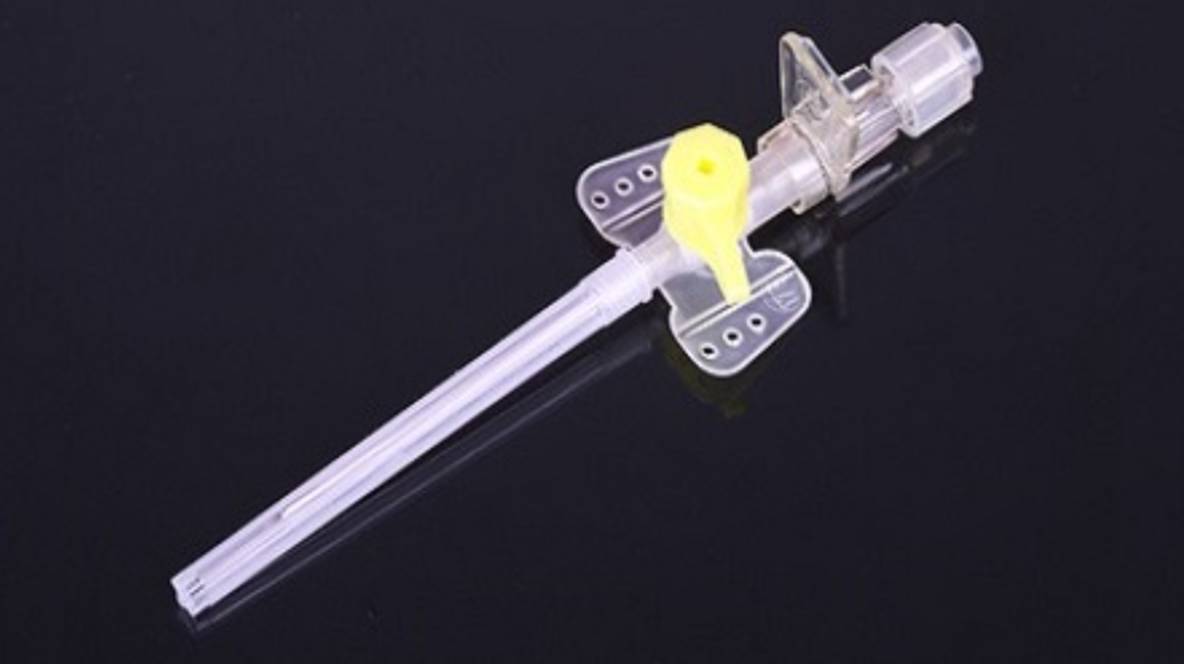
In the world of medical device assembly, precision, reliability, and biocompatibility are king. Traditional adhesives can introduce complexities, but UV light curable adhesives offer a shining solution. Let's explore why these adhesives are transforming medical device assembly. Advantages of UV Light Curable Adhesives: Fast and Precise Curing: Exposed to UV light, these adhesives cure in seconds, accelerating production and reducing reliance on heat-sensitive components. Targeted Control: Light allows for pinpoint curing, ideal for intricate assemblies and minimizing adhesive waste. Strong and Sterilizable: UV curable adhesives form high-strength bonds that withstand demanding medical environments and can often be sterilized with common methods like autoclaving. Solvent-Free: These adhesives minimize health risks and environmental impact compared to solvent-based alternatives. Biocompatible Options: Many UV curable adhesives are formulated to meet biocompatibility standards, ensuring patient safety. Applications for UV Light Curable Adhesives in Medical Device Assembly: Bonding Dissimilar Materials: Effectively adhere plastics, metals, and glass substrates commonly used in medical devices. Catheter Assembly: Secure cannulas, balloons, and other components for reliable catheter function. Syringe Assembly: Create strong bonds for syringes and other fluid handling devices. Microfluidic Device Assembly: Precisely bond microfluidic components for accurate and reliable fluid flow. Sensor Attachment: Securely attach sensors to various device components for accurate data collection. Choosing the Right UV Light Curable Adhesive: Selecting the optimal UV curable adhesive for your medical device assembly requires careful consideration of several factors: Material Compatibility: Ensure the adhesive bonds seamlessly with your specific materials (e.g., polycarbonate, stainless steel, silicone). Viscosity: Opt for high viscosity for gap filling or lower viscosity for easier application on delicate microfluidic components. Curing Speed: Balance curing speed with production line needs, avoiding overly rapid curing that limits repositioning flexibility. Light Source Compatibility: Match the adhesive's curing wavelength with your UV light source for optimal performance. Biocompatibility: Select adhesives that meet relevant biocompatibility standards (e.g., USP Class VI) for safe patient use. Sterilization Compatibility: Choose adhesives compatible with your chosen sterilization method (e.g., autoclave, EtO). Conclusion: UV light curable adhesives are revolutionizing medical device assembly. Their speed, precision, control, and biocompatible options make them a compelling choice for manufacturers seeking to optimize assembly processes and deliver high-quality, reliable medical devices. Bonus Tip: Explore the latest innovations in UV curable adhesives, such as those with enhanced flexibility or antimicrobial properties, to further elevate your medical device assembly and patient safety. Incure Cyro-Weld™ Series Core Products Cyro-Weld™ 5040F Incure Cyro-Weld™ 5040F: UV Curable Bonder (Medical Grade) - Masks, Needles, Multi-Substrate, Fluorescent Inspection Cyro-Weld™ 5021F Incure Cyro-Weld™ 5021F: Low Viscosity UV Bonder (Medical) - Needles, Catheters, Multi-Material, Sterilizable (EtO/Gamma) Cyro-Weld™ 5291 Incure Cyro-Weld™ 5291: Low Viscosity UV Bonder (Medical Grade) - Needles, Catheters, Multi-Material, Sterilizable (EtO/Gamma) Cyro-Weld™ 5942 Incure Cyro-Weld™ 5942: Medical UV Bonder (Low Viscosity) - Masks, Needles, Multi-Material (Elasticity) Cyro-Weld™ 5942F Incure Cyro-Weld™ 5942F: Medical UV Bonder (Low Viscosity) - Masks, Needles (Multi-Material, Elastic Bonds) - Fluoresces for Flawless Inspection Cyro-Weld™ 5952 Incure Cyro-Weld™ 5952: Low Viscosity, Acid-Free UV Medical Bonder - Multi-Substrate (Metals, Glass, FR4) Cyro-Weld™ 5454 Incure Cyro-Weld™…

Comments Off on Illuminating Assembly: Advantages, Applications, and Choosing UV Light Curable Adhesives for Medical Devices

Light-Curable Adhesives for Electronics: Advantages & Applications

In the fast-paced world of electronics assembly, efficiency and precision are paramount. Traditional adhesives often require long curing times and can be messy to apply. Here's where light-curable adhesives enter the scene, offering a revolutionary solution for electronics assembly. Advantages of Light-Curable Adhesives:Lightning-Fast Curing: Exposed to high-intensity UV/visible light, these adhesives cure in seconds, significantly boosting production speed.On-Demand Curing: Curing happens only when exposed to light, eliminating adhesive migration and rework.Precise Control: Targeted light application allows for selective curing, ideal for complex assemblies.Solvent-Free: Light-curable adhesives are often solvent-free, minimizing environmental impact and health risks.Strong and Versatile: They offer excellent adhesion to various electronics materials and deliver strong, durable bonds. Applications for Light-Curable Adhesives in Electronics Assembly:Wire Tacking & Component Ruggedization: Securely hold wires and components in place for subsequent soldering or other processes.BGA & Leadless Component Support: Provide robust support for ball grid array (BGA) and leadless components to prevent electrical and mechanical stress.Strain Relief: Effectively absorb stress on wires and connectors, enhancing reliability.Conformal Coating: Light-curable materials can be used for conformal coatings, protecting electronics from dust, moisture, and other environmental factors.Encapsulation: Fully encapsulate delicate electronic components for superior protection and environmental sealing. Choosing the Right Light-Curable Adhesive: Selecting the ideal light-curable adhesive for your electronics assembly needs requires considering several factors:Material Compatibility: Ensure the adhesive adheres well to your specific substrates (e.g., FR4, ceramics, metals).Viscosity: Opt for high viscosity for gap filling or lower viscosity for easier application on fine components.Curing Speed: Select the curing speed that best suits your production line throughput.Light Source Compatibility: Match the adhesive's curing wavelength with your UV/visible light source.Thermal Performance: Consider the operating temperature range of your electronics and choose an adhesive with suitable thermal resistance. Conclusion: Light-curable adhesives are a game-changer for electronics assembly, offering a winning combination of speed, precision, and control. By understanding their advantages, diverse applications, and key selection factors, you can leverage these innovative materials to optimize your assembly process and achieve superior results. Bonus Tip: For additional insights, explore the latest advancements in light-curable adhesives, such as those with unique properties like flexibility or enhanced chemical resistance, to further elevate your electronics assembly capabilities. Incure Uni-Weld™ Series Core Products - Metal Bonder Uni-Weld™ 1283 Incure Uni-Weld™ 1283: UV/Visible/Heat Cure Bonder (Relays/Circuit Breakers) - Outdoor Electronics (Clear, Heat/Moisture/Vibration Resistant) Uni-Weld™ 1203 Incure Uni-Weld™ 1203: Tack-Free UV Bonder (High Strength) - Metals/Glass/Ceramics (Low Shrink, Heat/Moisture/Vibration Resist) Incure Uni-Weld™ Series Core Products - Plastic Bonder Uni-Weld™ 1462 Incure Uni-Weld™ 1462: Low Viscosity, Acid-Free UV Bonder (Multi-Material) - Electronics (Metals/Glass/FR4) Uni-Weld™ 1483 Incure Uni-Weld™ 1483: Mid Viscosity, Acid-Free UV Bonder (Electronics) - Multi-Material (Metals/Glass/FR4) Uni-Weld™ 1063 Incure Uni-Weld™ 1063: Low Viscosity, Acid-Free UV Bonder (Electronics) - Multi-Material (Metals/Glass/FR4) Incure Uni-Seal™ Series Core Products - Potting Uni-Seal™ 6213HT Incure Uni-Seal™ 6213HT: Cost-Effective Epoxy-Acrylate Potting (Electronics) - Thick, Low Shrink/Water Absorp. (UV/Heat, Chemical/Vapor Resist) Uni-Seal™ 3393 Incure Uni-Seal™ 3393: Low Viscosity, Low Water Absorp. Electronics Sealant (Air-Tight, Peelable, Tough/Elongating) - Auto/Electronics (Low CTE) Uni-Seal™ 6213 Incure Uni-Seal™ 6213: Low-Cost Epoxy-Acrylate Potting (Electronics) -…

Comments Off on Light-Curable Adhesives for Electronics: Advantages & Applications

High Vacuum Grease: Essential for High-Performance Systems

High vacuum systems are essential in various industries, from scientific research and semiconductor manufacturing to aerospace and vacuum coating. Maintaining a high vacuum environment is crucial for optimal performance, and high vacuum grease plays a vital role in achieving this. This specialized lubricant offers numerous advantages, finds diverse applications, and requires careful selection for optimal results. Advantages of High Vacuum Grease: Airtight Sealing: High vacuum grease forms a tight seal between components, preventing air or gas leakage within the system. This is critical for maintaining the low pressure environment necessary for various processes. Friction Reduction: The lubricating properties of high vacuum grease minimize friction between moving parts, ensuring smooth operation and reducing wear and tear on components. This extends the lifespan of the equipment and improves overall system efficiency. Extreme Condition Resistance: High vacuum grease is formulated to withstand high temperatures and pressures encountered in demanding applications. This ensures reliable performance even in harsh environments. Chemical Resistance: High vacuum grease is often formulated to resist degradation when exposed to various chemicals commonly used in laboratories and industrial settings. This prevents the grease from breaking down and compromising its effectiveness. Applications of High Vacuum Grease: Vacuum Pumps and Valves: High vacuum grease is used to lubricate and seal moving parts within vacuum pumps and valves, preventing leaks and ensuring smooth operation. Flanges and O-Rings: Grease is applied to flanges and O-rings to create a tight seal and prevent air leakage between different components within the system. Rotational Seals: In applications involving rotating shafts or bearings within the vacuum environment, high vacuum grease provides lubrication and reduces friction. Laboratory Equipment: High vacuum grease finds use in various laboratory equipment, including vacuum desiccators, freeze dryers, and rotary evaporators. Choosing the Right High Vacuum Grease: Selecting the appropriate high vacuum grease is crucial for optimal performance and compatibility with your specific system. Here are some key factors to consider: Vacuum Level: Different greases are formulated for specific vacuum levels. Choose a grease with the appropriate vapor pressure to minimize outgassing and maintain the desired vacuum level. Material Compatibility: Ensure the grease is compatible with the materials used in your system, including metals, plastics, and elastomers. Incompatible grease can damage components or compromise the seal. Temperature Range: Consider the operating temperature range of your system and choose a grease that maintains its lubricating properties within that range. Chemical Exposure: If your system involves exposure to specific chemicals, select a grease formulated to resist those chemicals and prevent degradation. Additional Considerations: Food Grade Grease: For applications involving food or pharmaceutical products, choose a food-grade high vacuum grease to ensure safety and compliance with regulations. Manufacturer Reputation: Opt for high-quality grease from reputable manufacturers to ensure consistent performance and reliability. Conclusion: High vacuum grease is a critical component for maintaining the integrity and performance of high vacuum systems. Understanding its advantages, diverse applications, and selection criteria empowers you to choose the right grease for your specific needs, ensuring optimal performance and extending the lifespan of your equipment.…

Comments Off on High Vacuum Grease: Essential for High-Performance Systems

UV Glue: A Long-Lasting Bond, But Not Quite Forever

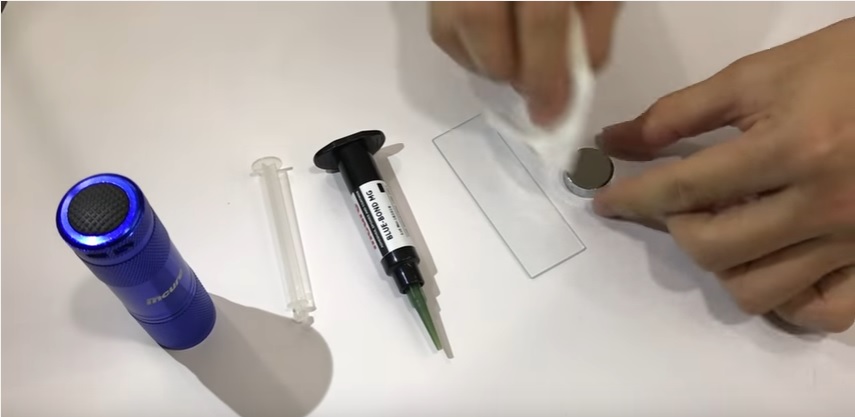
In the realm of adhesives, UV glue stands out for its impressive bonding strength and lightning-fast curing process. But with its reliance on light activation, a crucial question arises: Is UV glue permanent? The answer is a nuanced no. Here's a breakdown of UV glue's longevity and factors influencing its permanence. Understanding UV Glue Bonds UV glue forms strong bonds by linking light-sensitive resin molecules together when exposed to UV light. These bonds are incredibly durable, but not indestructible. Here's why permanence is a relative term: Environmental Factors: Over time, exposure to sunlight, heat, moisture, and chemicals can gradually degrade the adhesive bond, potentially leading to weakening or failure. Material Compatibility: While UV glue offers versatility, some materials might not create a perfect chemical bond with the adhesive, affecting long-term durability. Always check compatibility between the glue and the materials you're bonding. Proper Application: Improper application techniques, such as uneven application or inadequate surface preparation, can create weak points in the bond, impacting its longevity. How Long Does a UV Glue Bond Last? The longevity of a UV glue bond can vary depending on the factors mentioned above. However, in ideal conditions (proper application, suitable materials, controlled environment), a well-made UV glue bond can last for several years. Maximizing the Longevity of Your UV Glue Bond Here are some tips to ensure your UV glue bond lasts as long as possible: Choose the Right Glue: Select a UV glue specifically formulated for the materials you're bonding. Proper Surface Preparation: Clean and prep the surfaces thoroughly for optimal adhesion. Precise Application: Apply the glue evenly and avoid excess that might weaken the bond. Cure Thoroughly: Ensure sufficient exposure to UV light for complete curing according to the manufacturer's instructions. Protect the Bond: If possible, consider sheltering the bonded area from prolonged exposure to harsh sunlight, extreme temperatures, or chemicals. Alternatives for Truly Permanent Bonds For applications requiring a truly permanent bond that won't degrade over extended periods, alternative adhesives like welding or specialized epoxies might be a better choice. The Takeaway: A Long-Lasting Solution, with Considerations UV glue offers a powerful and long-lasting bonding solution for various projects. While not truly permanent, a well-executed UV glue bond can endure for several years under ideal conditions. By understanding the factors influencing its longevity and implementing proper application techniques, you can leverage UV glue for secure and durable results in your projects.

Comments Off on UV Glue: A Long-Lasting Bond, But Not Quite Forever